What this page lists
This collection brings together 91 fully funded scholarships that are open to Nigerian students. Every award on the list is labelled fully funded by the body offering it, and every one of the 91 is open to Nigerian applicants. That last point matters more than it sounds. Of the 91, 7 name Nigeria or the wider region in their own eligibility text, while the remaining 84 carry no nationality restriction at all. So the great majority of what you see here is not a Nigeria-specific scheme; it is a global award that a Nigerian passport does not disqualify you from.
None of the 91 leaves its funding position unstated. If an award appears on this page, the provider has said in writing that it is fully funded.
Which study levels the awards cover
Postgraduate study dominates, which will suit most Nigerian applicants who already hold a B.Sc, HND or M.Sc.
- Masters — 65 awards
- PhD — 53 awards
- Bachelors — 33 awards
- Fellowship — 12 awards
- Postdoctoral — 8 awards
- High School — 3 awards
- Short Course — 3 awards
Some awards appear at more than one level, which is why these counts add up to more than 91. A scholarship open to both Masters and PhD applicants is counted under each. If you are finishing a first degree and looking at postgraduate funding, the Masters and PhD figures are where your search should start. If you are applying straight from secondary school with WAEC or NECO results, the 33 Bachelors awards and the 3 High School awards are the relevant pool.
Where the awards are
The destinations are spread across 23 countries, with the largest concentrations in the places Nigerian students most often target.
- United States — 12 awards
- United Kingdom — 10 awards
- China — 9 awards
- Australia — 7 awards
- Canada — 7 awards
- Germany — 6 awards
- Switzerland — 6 awards
- Thailand — 4 awards
Beyond those, Italy, Saudi Arabia, Singapore, Turkey and the United Arab Emirates each carry 3 awards. Denmark, France, Japan, the Netherlands and New Zealand each carry 2. Belgium, Hungary, Ireland, Spain and Sweden each carry 1. The spread is worth reading carefully: a fully funded place in Hungary or Turkey can be as complete a package as one in the United States, and the applicant pool is often smaller.
What the funding actually covers
Fully funded is a label, not a standard contract. The awards on this page describe their own benefits, and the counts below show how many name each item in writing.
- Tuition — 54 awards
- Living costs — 43 awards
- Travel — 33 awards
- Health insurance — 25 awards
- Accommodation — 24 awards
- Research or training costs — 11 awards
- A settling-in or arrival grant — 2 awards
Read the individual award page before you plan around it. An award that covers tuition and living costs but says nothing about travel means you should budget for a flight yourself, and a one-way ticket from Lagos or Abuja is not a small line item. Where an award names a settling-in grant, that money is usually meant for the first weeks before a stipend payment lands.
Nine of the awards state how many places they offer. Where that number appears, treat it as the clearest signal of how competitive the round will be.
What the applications ask for
The requirements below are counted from what the awards themselves state. They are what you will need to assemble, not a guarantee that meeting them wins anything.
- Letters of recommendation — 50 awards
- An English test score (IELTS or TOEFL) — 35 awards
- A minimum degree class — 18 awards
- A research proposal — 15 awards
- Work experience — 8 awards
- An admission offer first — 5 awards
- A commitment to return home afterwards — 1 award
Letters of recommendation are the single most common requirement, and they are where Nigerian applicants most often lose time. A referee who has moved departments, retired or changed email addresses can cost you a week. Ask early, give your referees your CV and a short note on what you are applying for, and follow up before the portal closes rather than after.
The English test figure is worth pausing on. Thirty-five awards state a test score as a requirement, which means the majority do not state one. Where a test is not required, a degree taught in English is often accepted instead, but confirm this on the award page rather than assuming it. Booking IELTS costs money and the nearest test centre may not be in your city, so establish whether you need it before you pay.
Eighteen awards name a minimum degree class. Nigerian transcripts state this in the local form — First Class, Second Class Upper, Second Class Lower — so check how the award words its requirement and match it against your own transcript before you spend on courier fees.
How the deadlines fall
Of the 91 awards, 31 carry a stated date and 29 are currently open. A further 29 run on a recurring cycle, meaning the round returns each year even if the date has passed. 60 are undated — usually because the provider opens applications on a rolling or institution-set basis.
The busiest months are October (6 deadlines), then April (4) and November (4). If you are planning a cycle, October is the month to build towards.
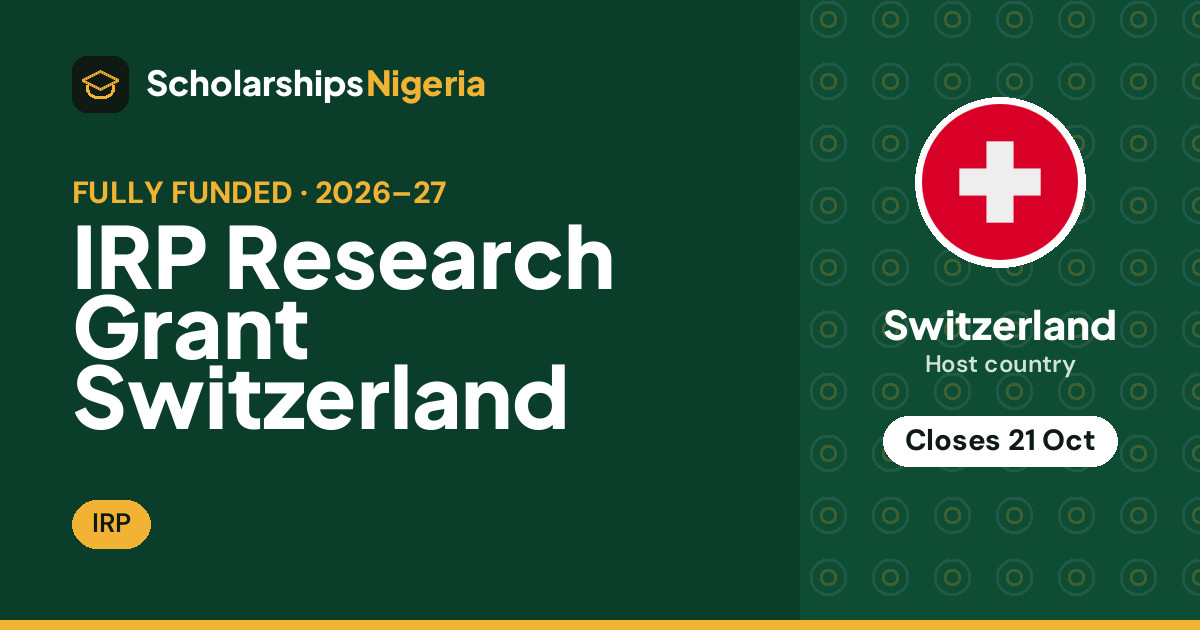
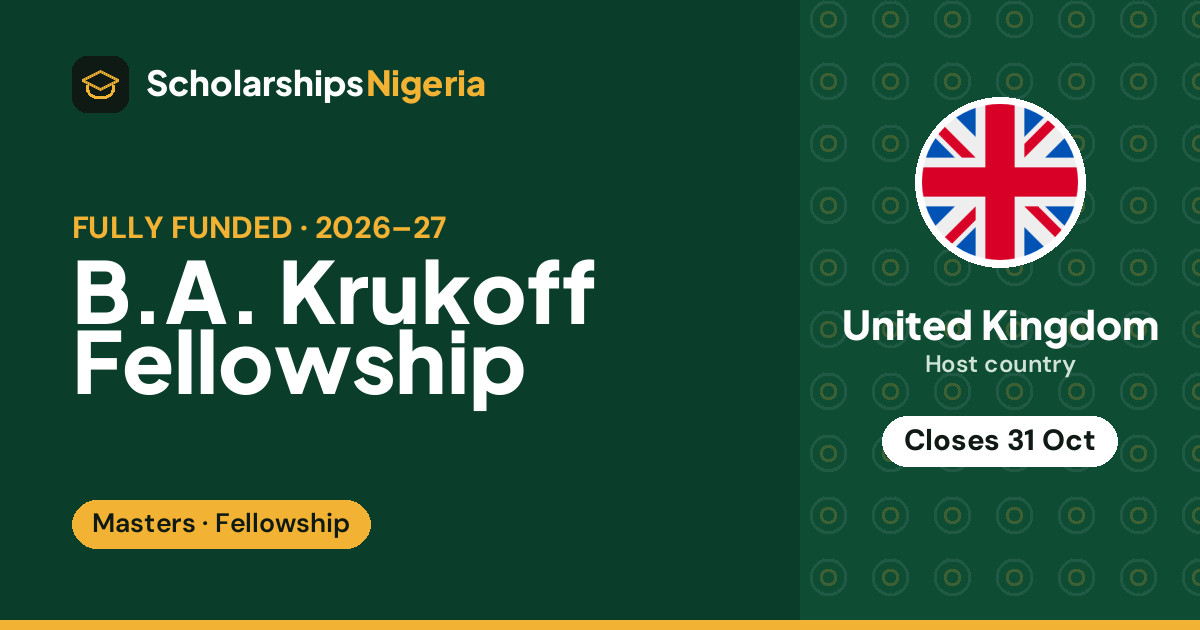
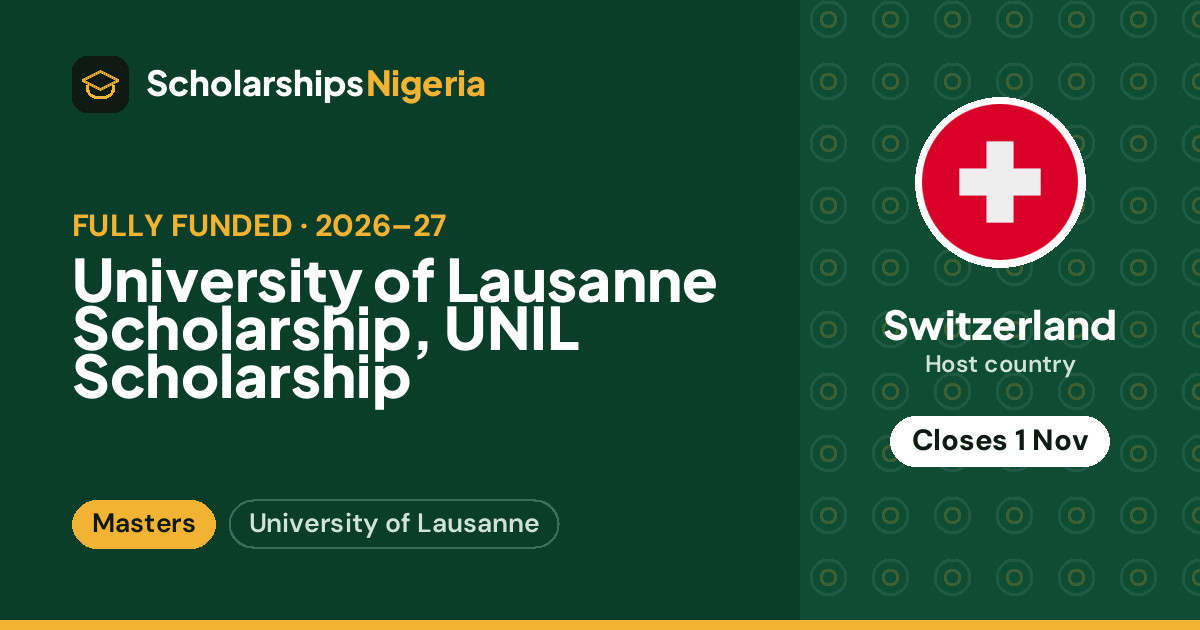
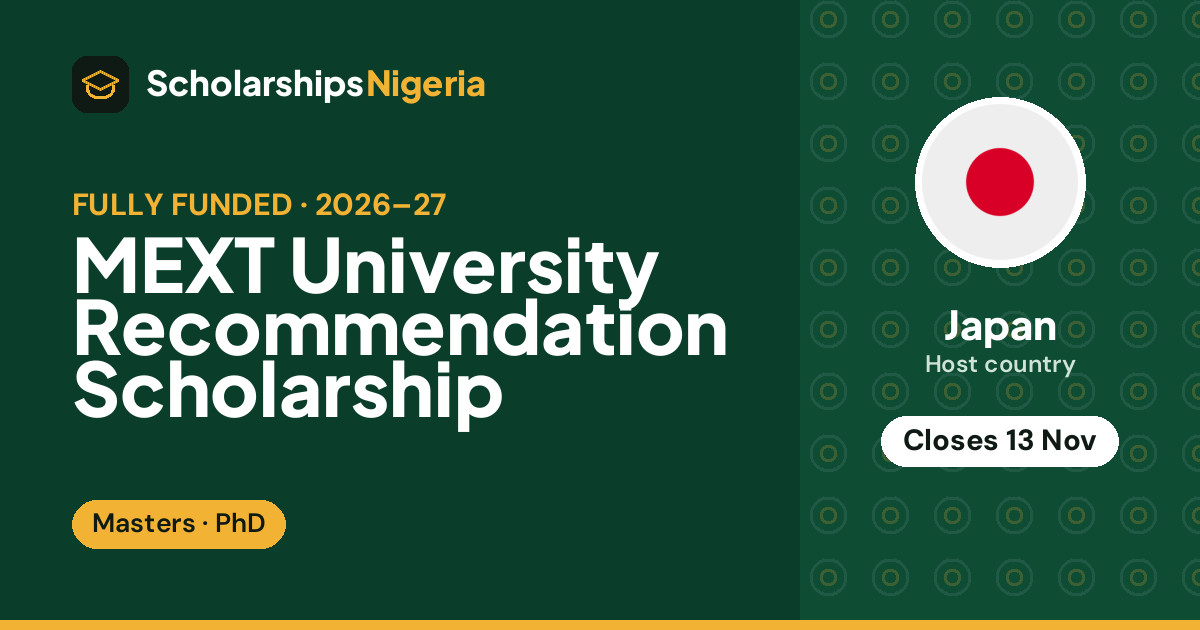
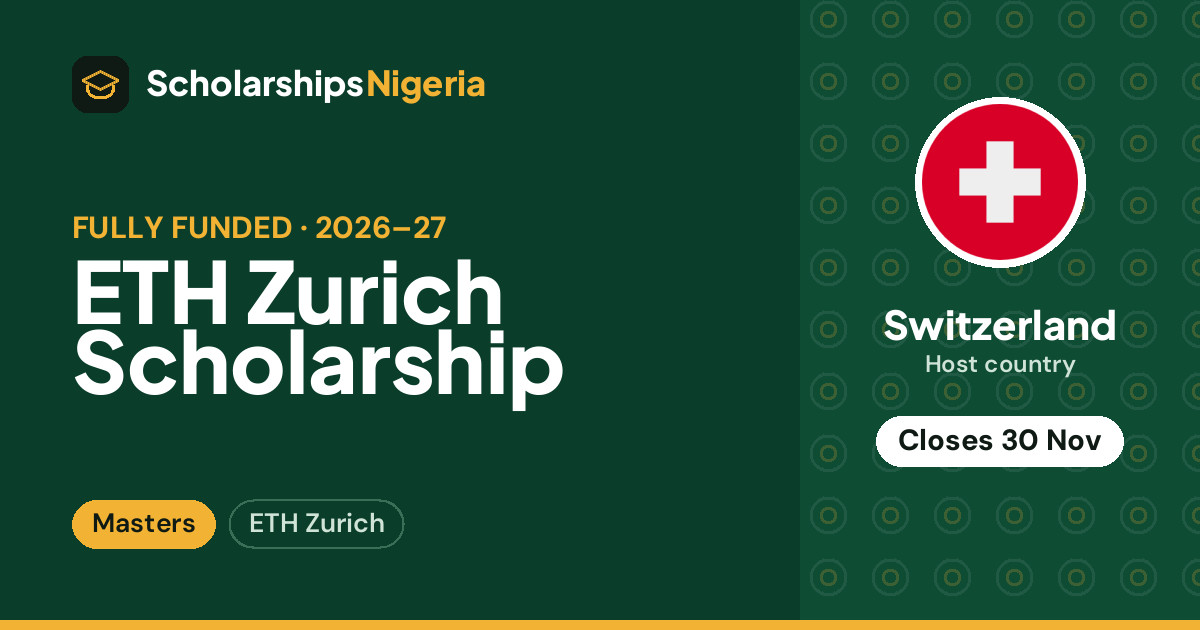
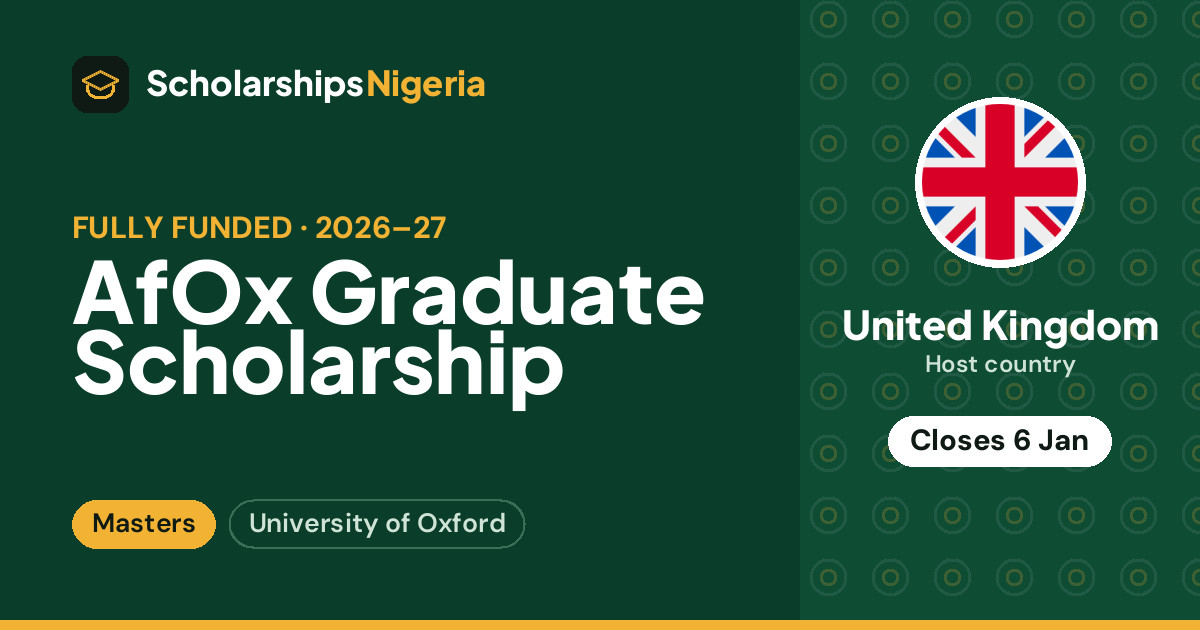
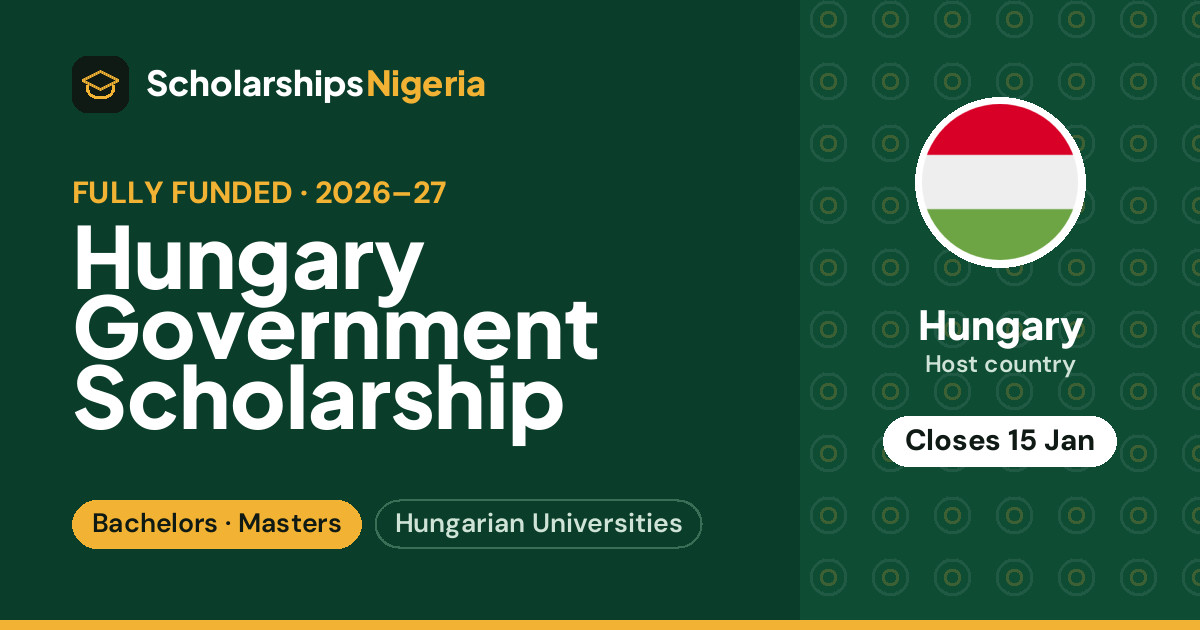
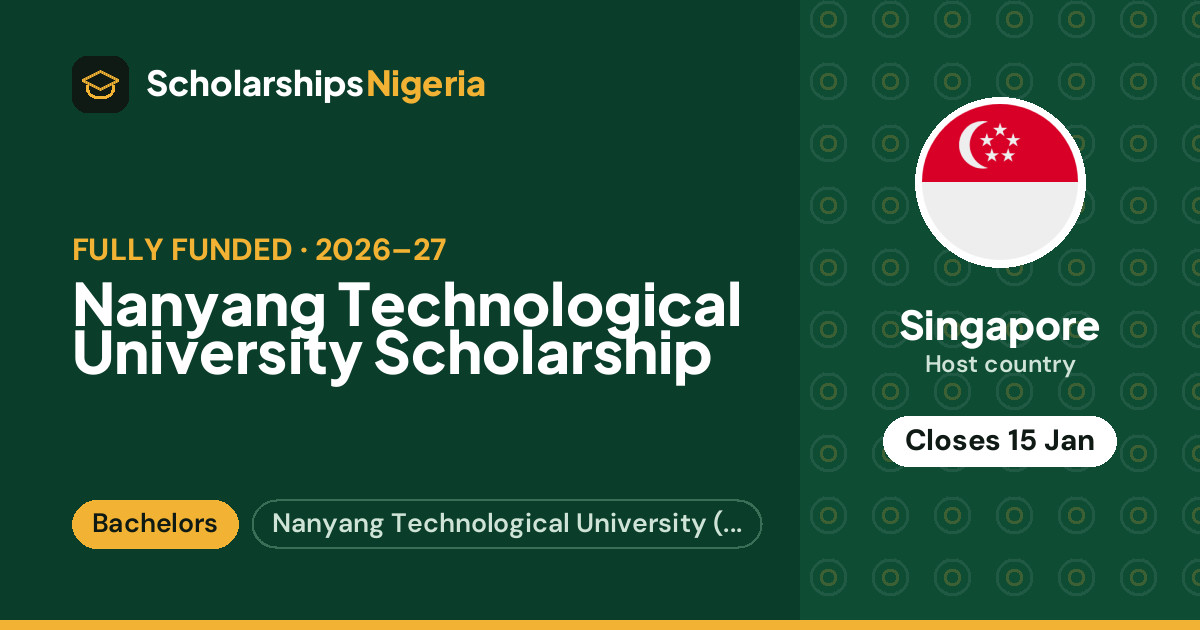
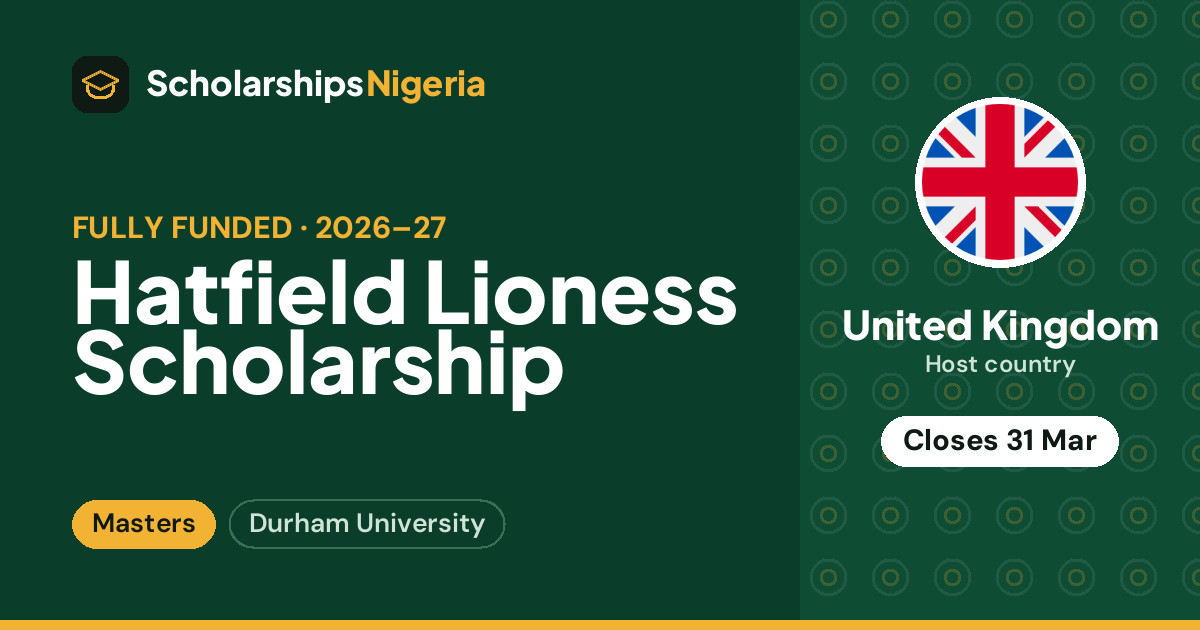
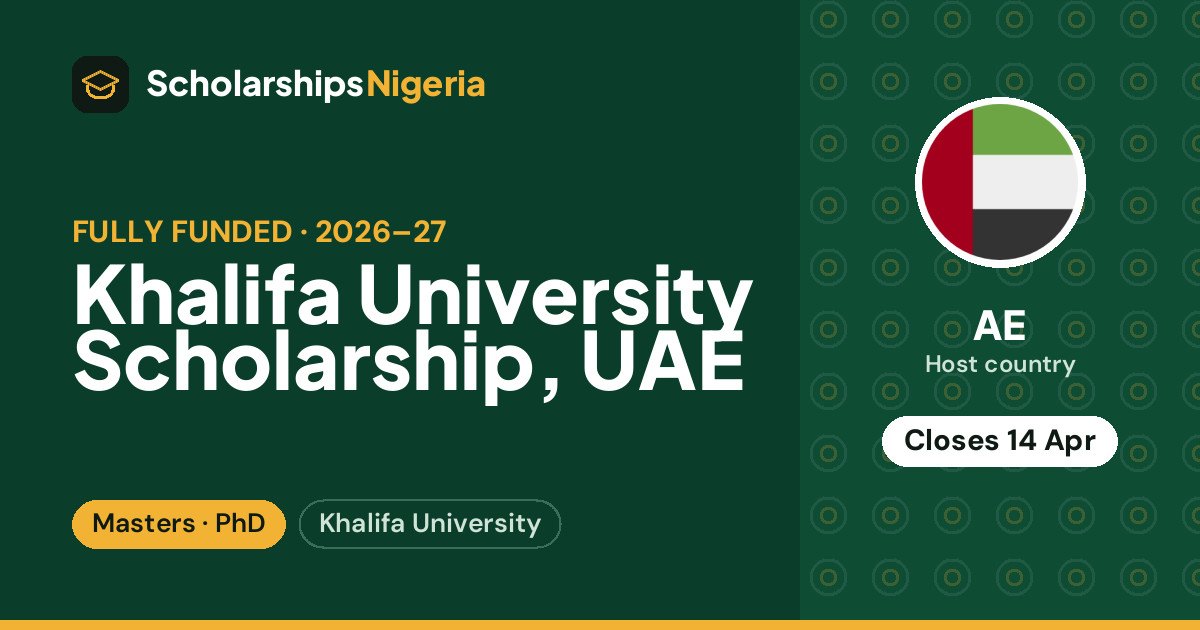
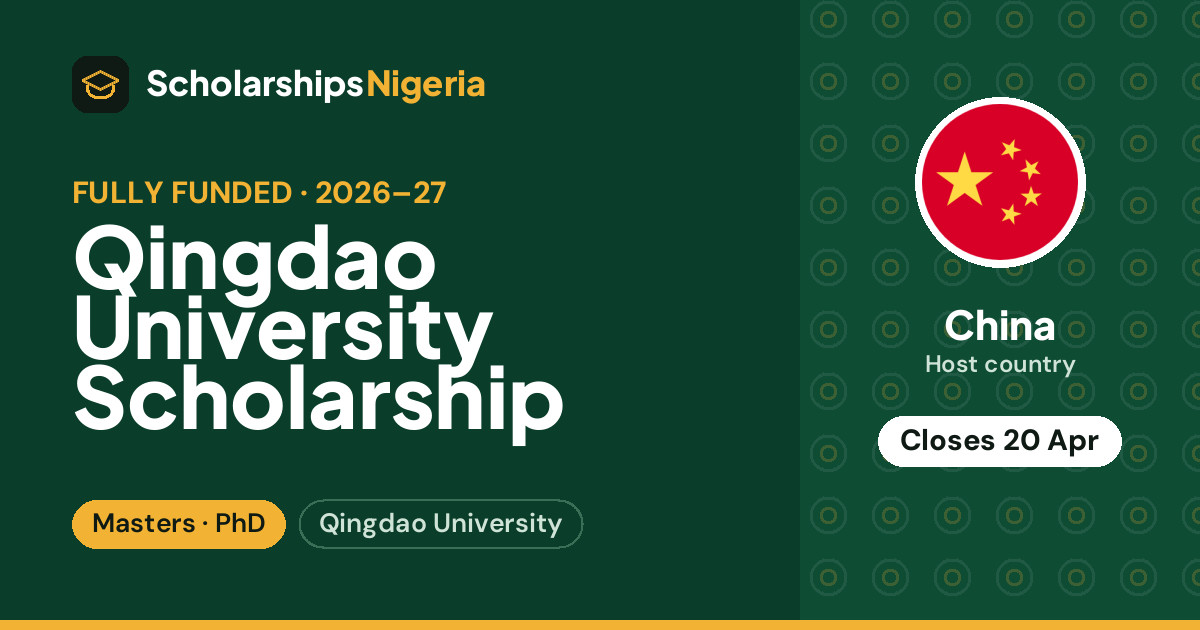
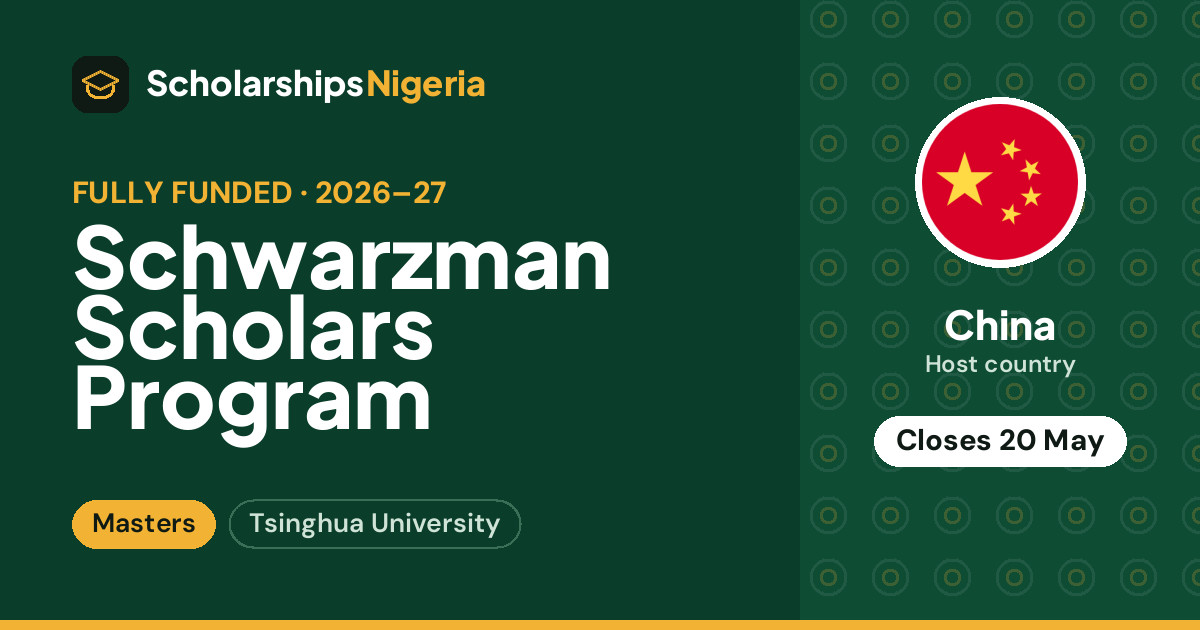
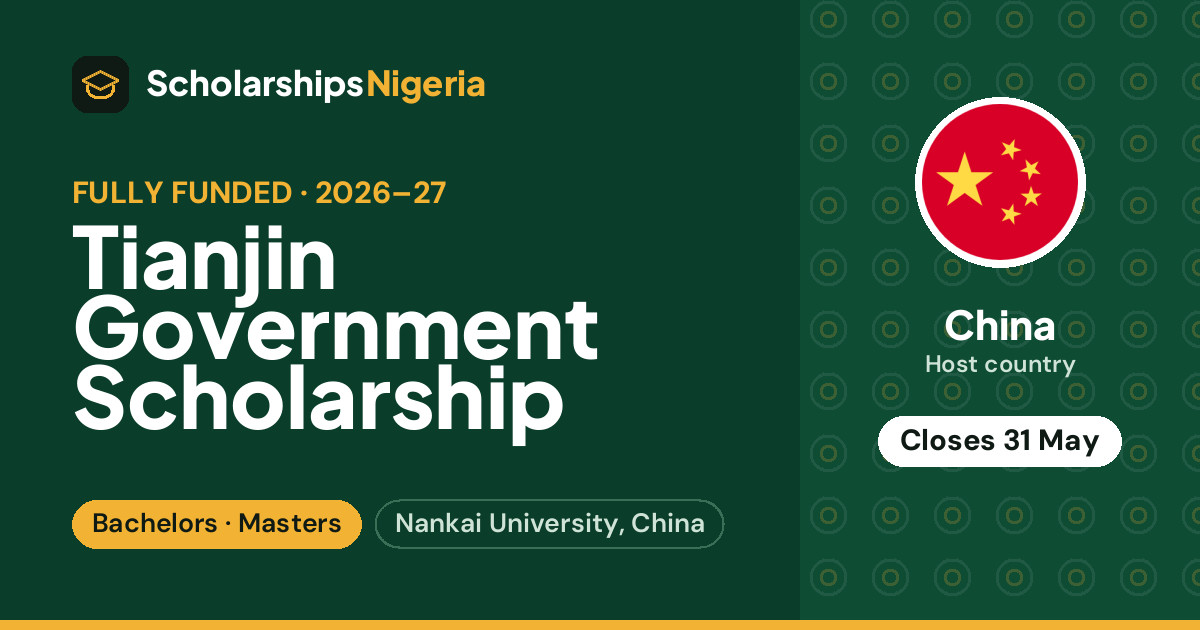
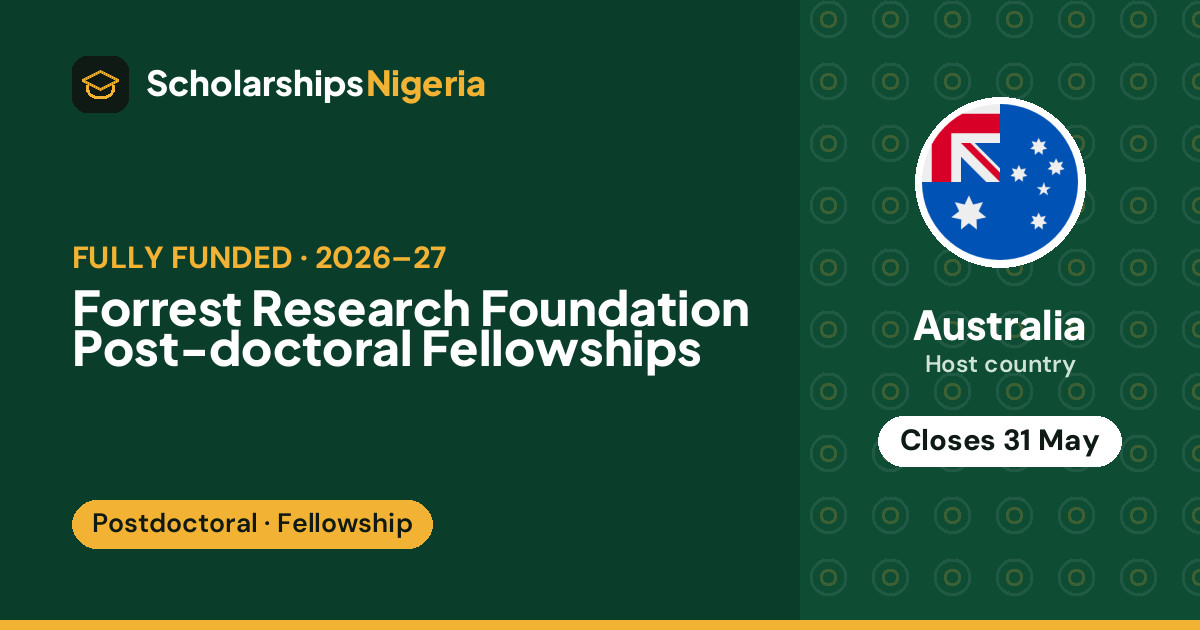
These are the awards closing soonest:
Fields of study
The awards are not concentrated in one discipline. Business and Management leads with 12, followed by Arts and Humanities, Engineering, and Medicine and Health Sciences at 10 each. Law carries 8, Economics and Finance 6, Social Sciences 6, Education 5 and Natural Sciences 4. Agriculture has 3, with Computer Science and IT and Public Policy and Development at 2 each.
If your field shows a small count here, that is a reason to look at the undated and recurring awards rather than to stop. A single well-matched award is worth more than ten you do not qualify for.
What to do next
Start with the level you are actually applying for, not the level you eventually want. If you hold a B.Sc or HND and are aiming at a Masters, work through the 65 Masters awards first. If you already hold a Masters, the 53 PhD awards are your pool, and 15 of the awards across the page ask for a research proposal — begin drafting that before you shortlist, because it takes longer than most applicants expect.
Then check three things on each award page before you invest any money: whether the funding covers travel as well as tuition, whether an English test is named as a requirement, and whether a minimum degree class is stated. Those three answers decide whether an award is genuinely within reach or whether you would be paying for transcripts and courier fees for a round you cannot enter.
Finally, work to the deadline rather than to your motivation. With 29 awards open now and October carrying the heaviest load, the applicants who submit are the ones who started assembling referees and documents weeks earlier. Pick two or three awards from this list, read their pages in full, and begin.