What this page holds
This page lists 95 masters scholarships open to Nigerian students. Every award here is at masters level, and every award here is one a Nigerian applicant can apply for. That is the whole filter: no other level, no award closed to Nigerian nationals.
Of the 95, 65 are labelled fully funded and 15 are labelled partially funded. The remaining 15 do not label their funding either way, so read each award page before you build your plans around it.
The list is not only for one destination. The United Kingdom carries 15 awards, Australia 11, China 9, the United States 7, and Canada and Switzerland 5 each. Germany, Saudi Arabia, Sweden, Thailand and Turkey hold 4 each. Smaller groups sit in New Zealand and the United Arab Emirates at 3 each, then Austria, France, Italy, Japan, the Netherlands and Singapore at 2 each, and single awards in Belgium, Denmark, Hungary, Ireland and Spain.
Who qualifies
All 95 awards are open to Nigerian applicants. That breaks down in two ways that add up to the total: for 7 of the 95, Nigeria or the West African region is named directly in the eligibility text. For the other 88, the award sets no nationality restriction at all, so a Nigerian passport is not a barrier. No award on this page leaves its nationality position unstated.
The qualification you are applying with is a first degree or an HND. The awards at this level take B.Sc, B.A, B.Eng, LLB, MBBS or HND holders into taught and research masters programmes.
Where an award states a minimum degree class, the wording to watch is “upper second”. On a Nigerian transcript that corresponds to Second Class Upper, the 2:1. If your result is a 2:2, read the individual award page rather than assuming you are out — some awards state a class, others do not. Whether an HND is accepted is decided by each university, not by this page, so check the institution’s own entry requirement before you spend money on a transcript.
What the awards pay for
Funding is described differently from award to award. Counting what the awards themselves say in writing:
- Tuition — named by 55 awards
- Living costs — 35
- Travel — 24
- Accommodation — 23
- Health insurance — 18
- Research or training costs — 9
- A settling-in or arrival grant — 1
These are counts of what appears in the award text, not a promise of what you will receive. A tuition-only award still leaves you to fund rent, food, flights and visa costs from somewhere. Work out that gap before you accept a place, because living costs in the United Kingdom, Australia or Switzerland are not covered by a tuition waiver.
What the applications demand
The requirements Nigerian applicants meet most often on this list are documents, not exams.
- Letters of recommendation — stated by 37 awards
- An English test score (IELTS or TOEFL) — 34
- A minimum degree class — 22
- Work experience — 10
- A research proposal — 10
- An admission offer first — 9
Two of these deserve planning. First, the English test. Where an award asks for IELTS or TOEFL, check whether your first degree was taught in English and whether the university grants a waiver on that basis — many do, and a waiver saves you the test fee and a test date. Second, the nine awards that want an admission offer before you apply for the money. Those run on the university’s admission calendar, which is slower than the scholarship calendar. Start the admission application first, not alongside.
Recommendation letters are the most common single requirement. Approach your lecturers early, give them your CV and your proposed course, and give them more than a week. A generic letter signed late reads exactly like what it is.
Deadlines and how they fall
Of the 95 awards, 27 carry a stated date and all 27 of those are still open at the time of writing. The other 68 are undated on this page. Of the dated group, 27 recur, meaning the same award opens again on a similar cycle each year — useful if you are planning for a later intake rather than the coming one.
The busiest months are May with 7 deadlines, then October and November with 4 each. If you are working to a May or October target, your documents need to be ready a full cycle earlier.
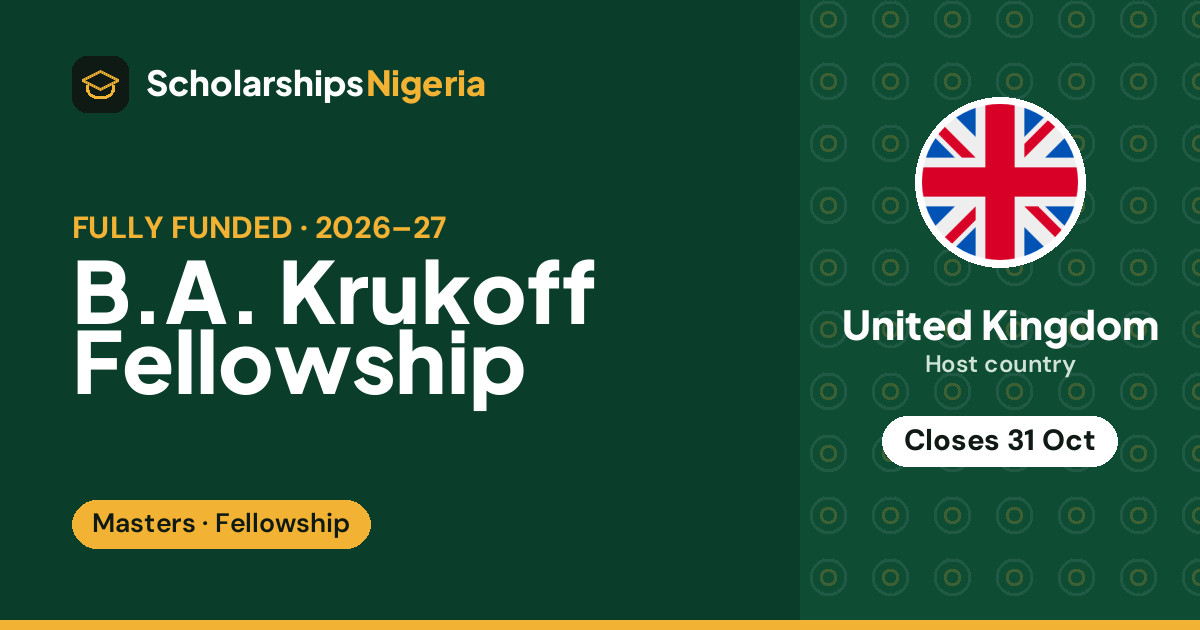
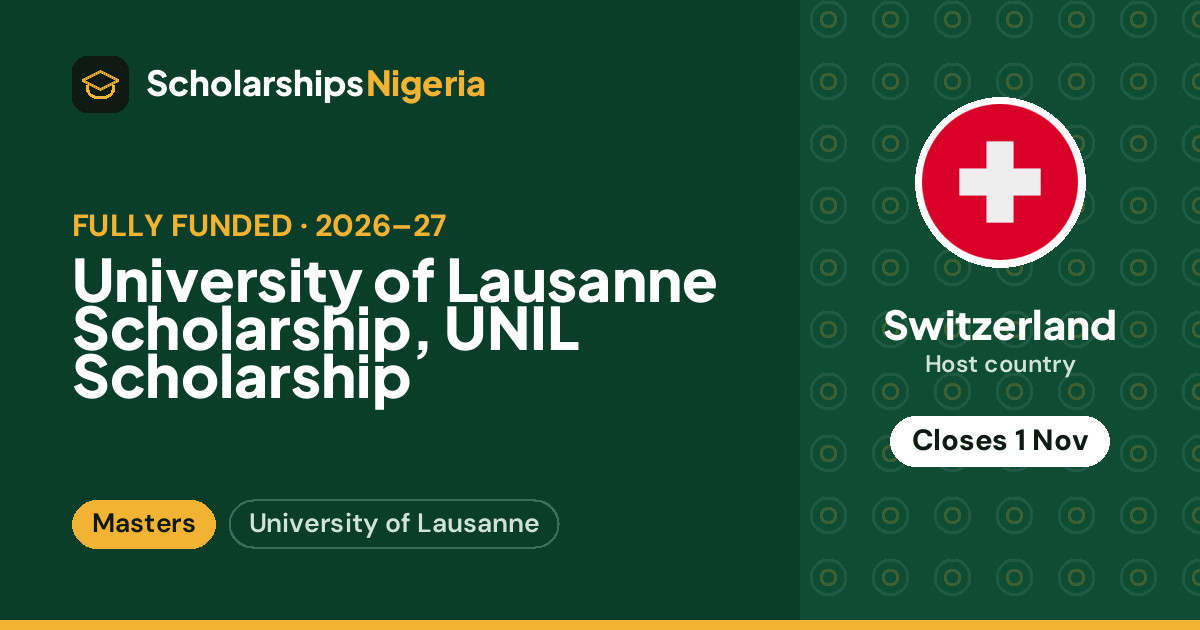
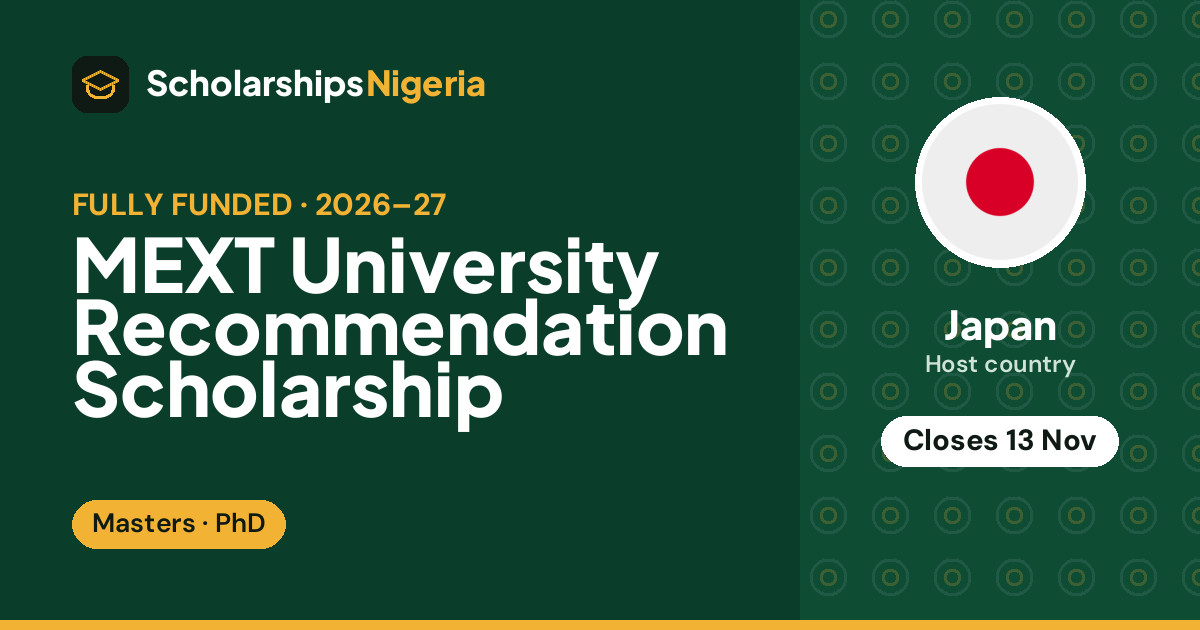
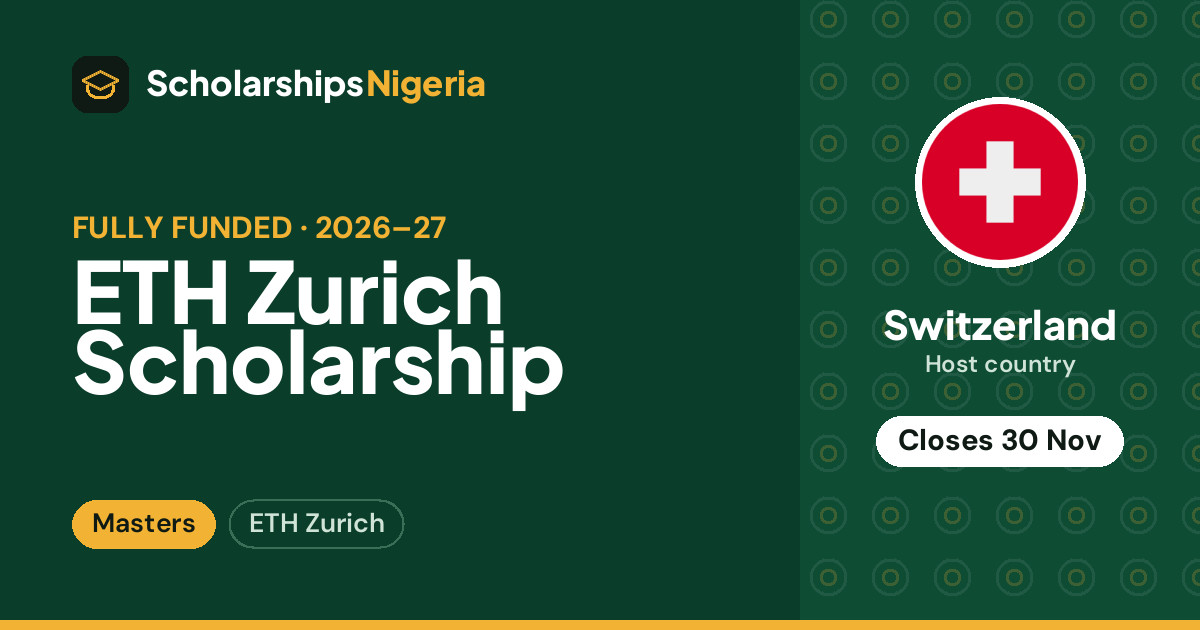
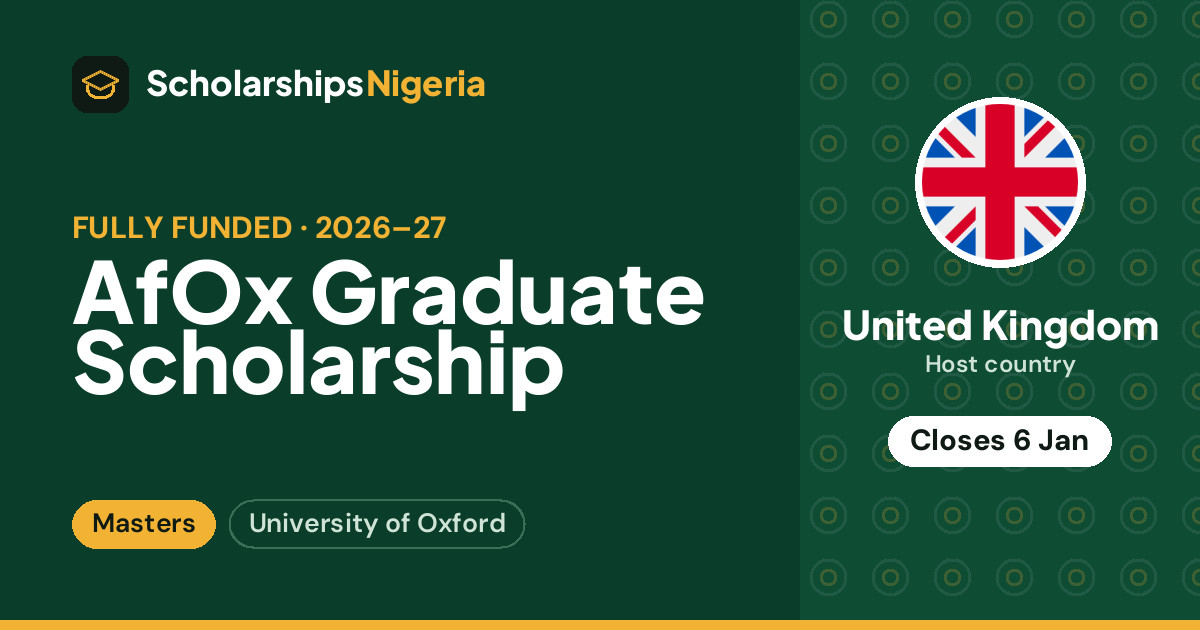
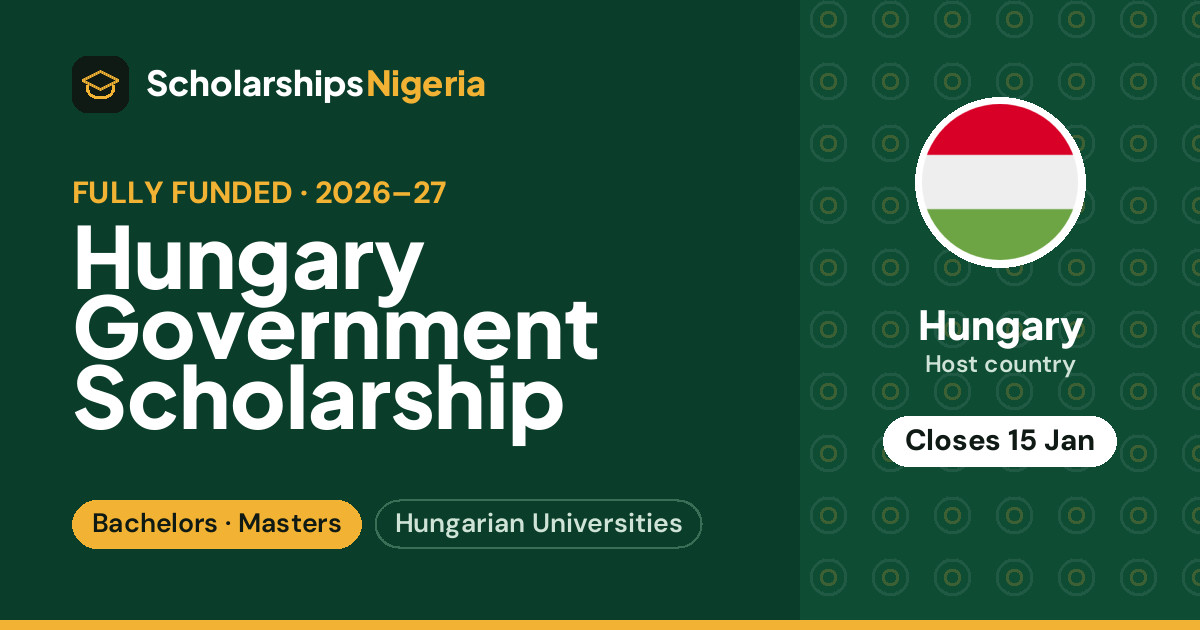
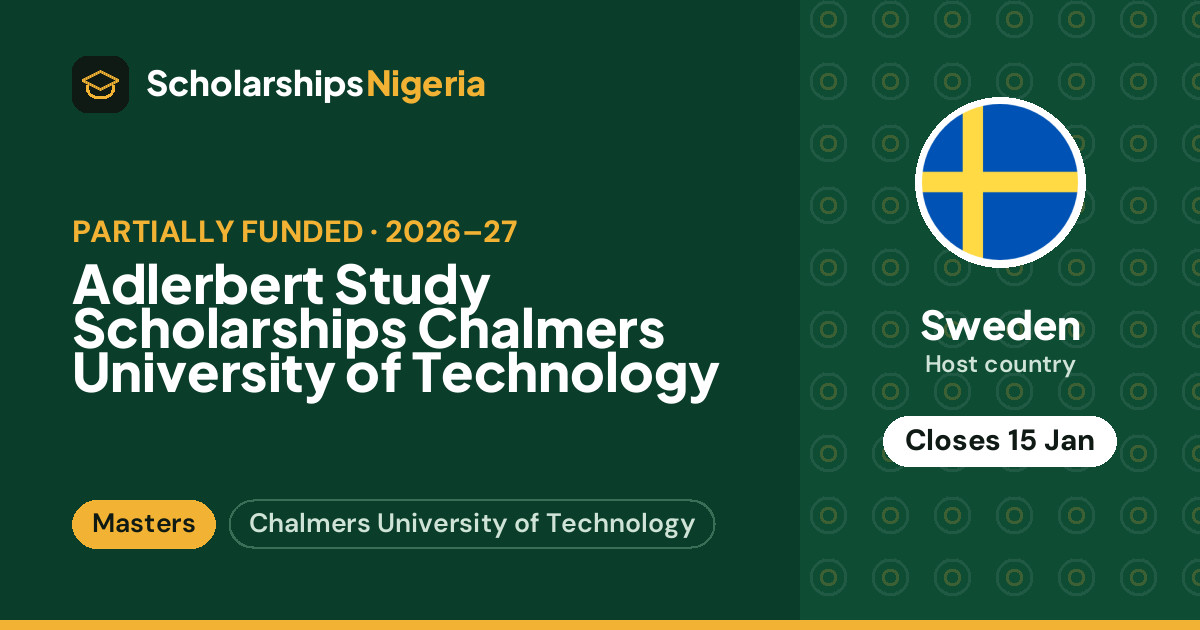
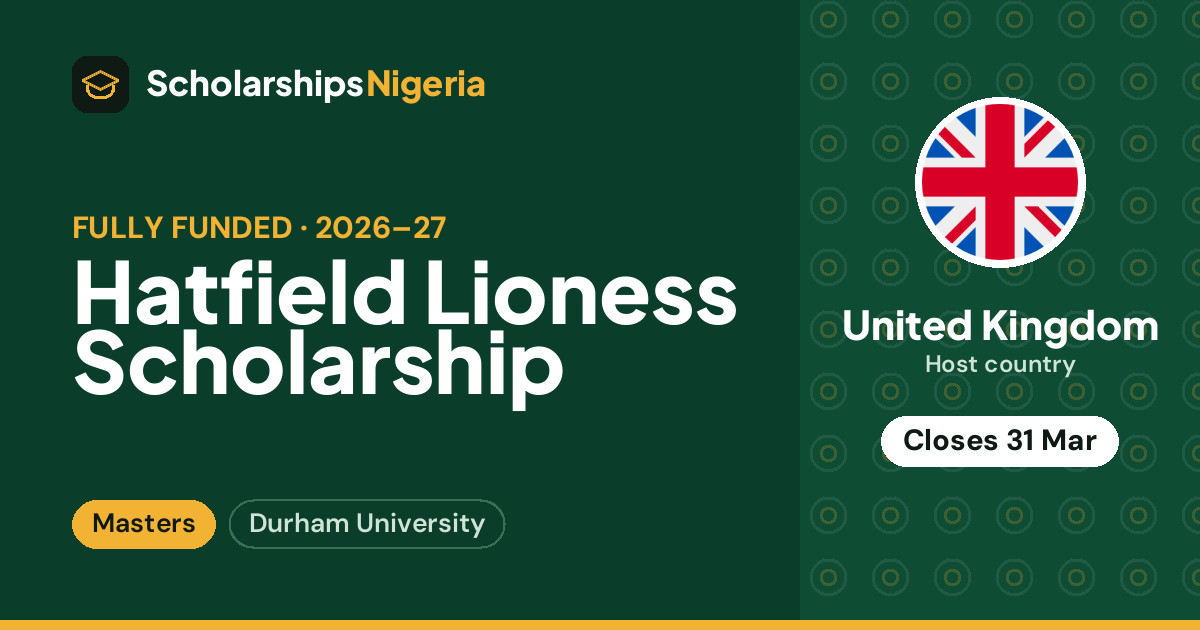
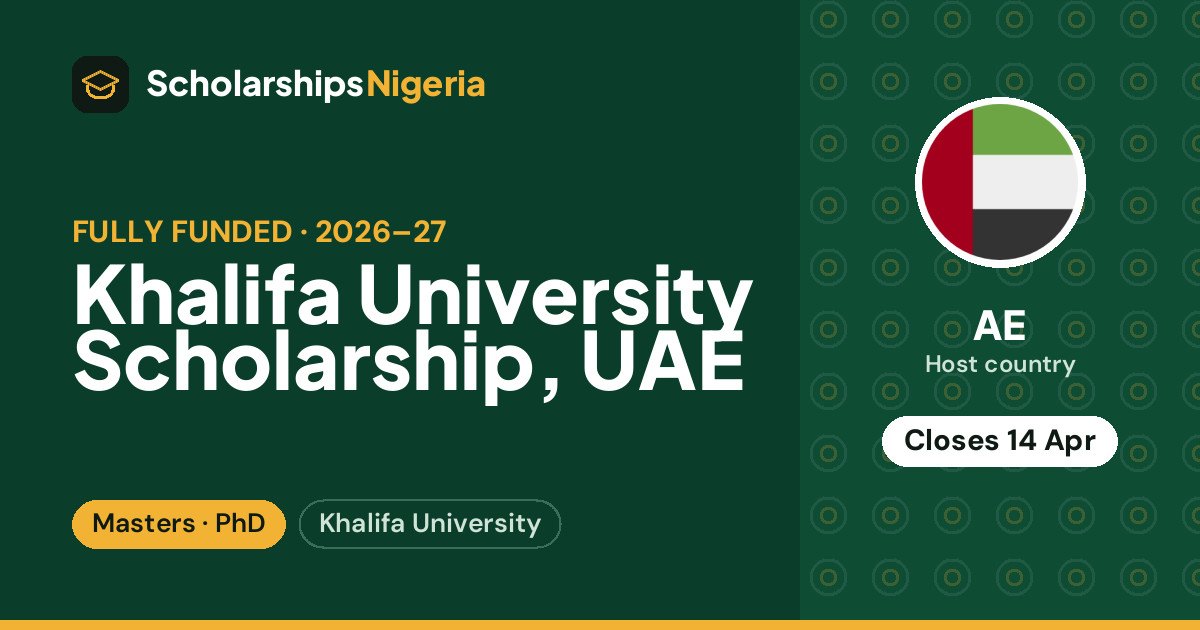
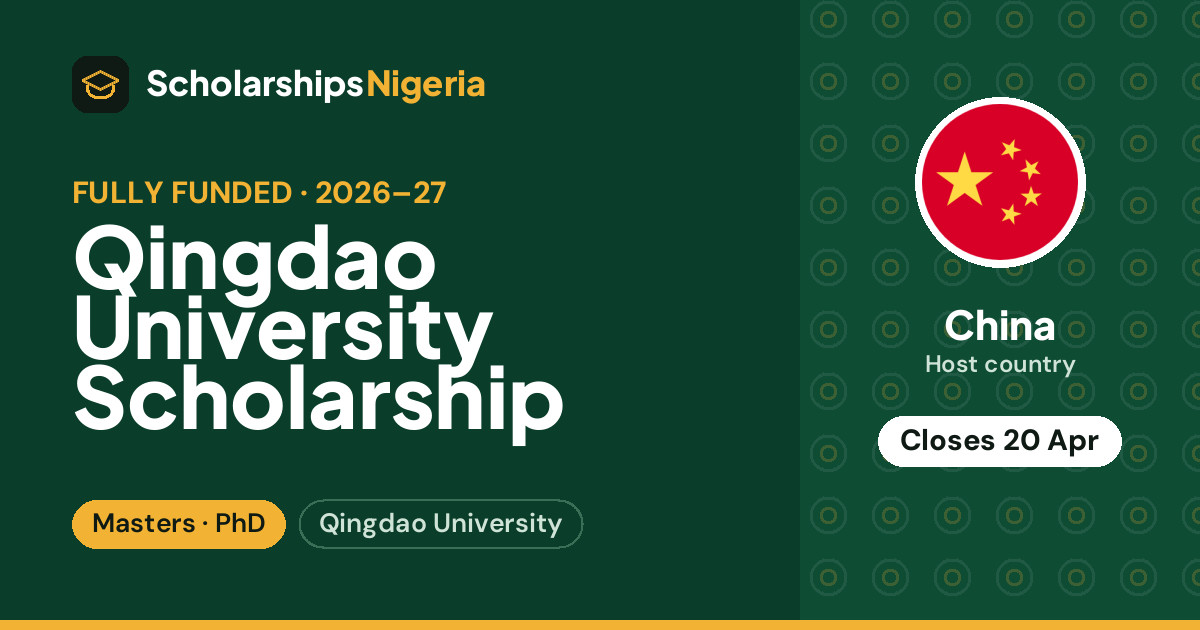
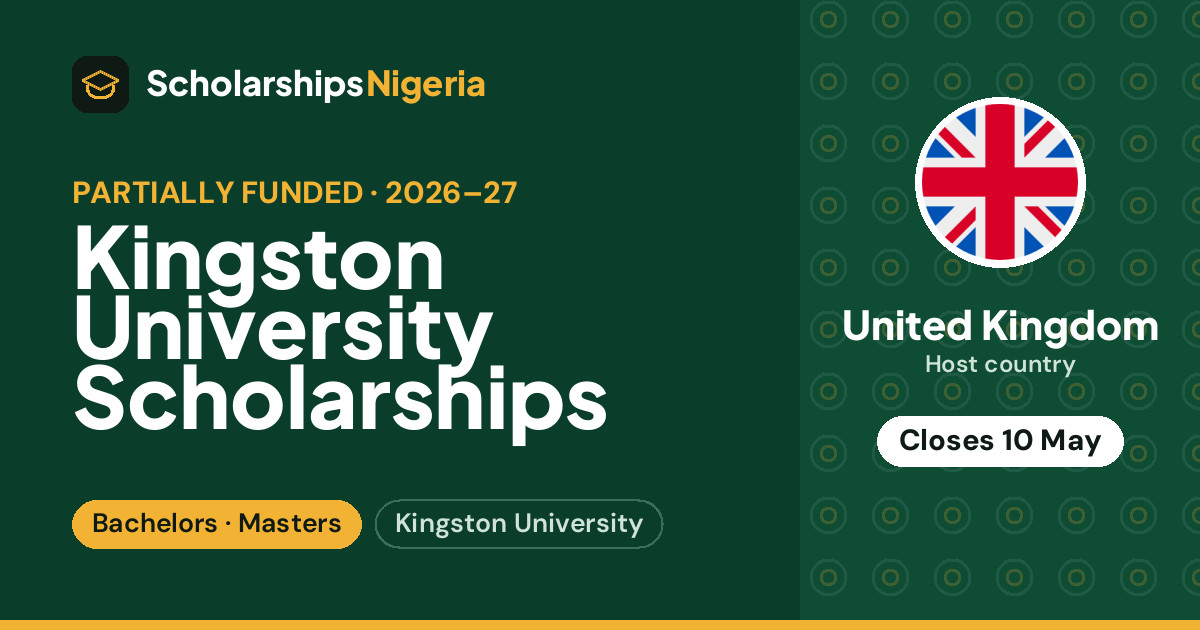
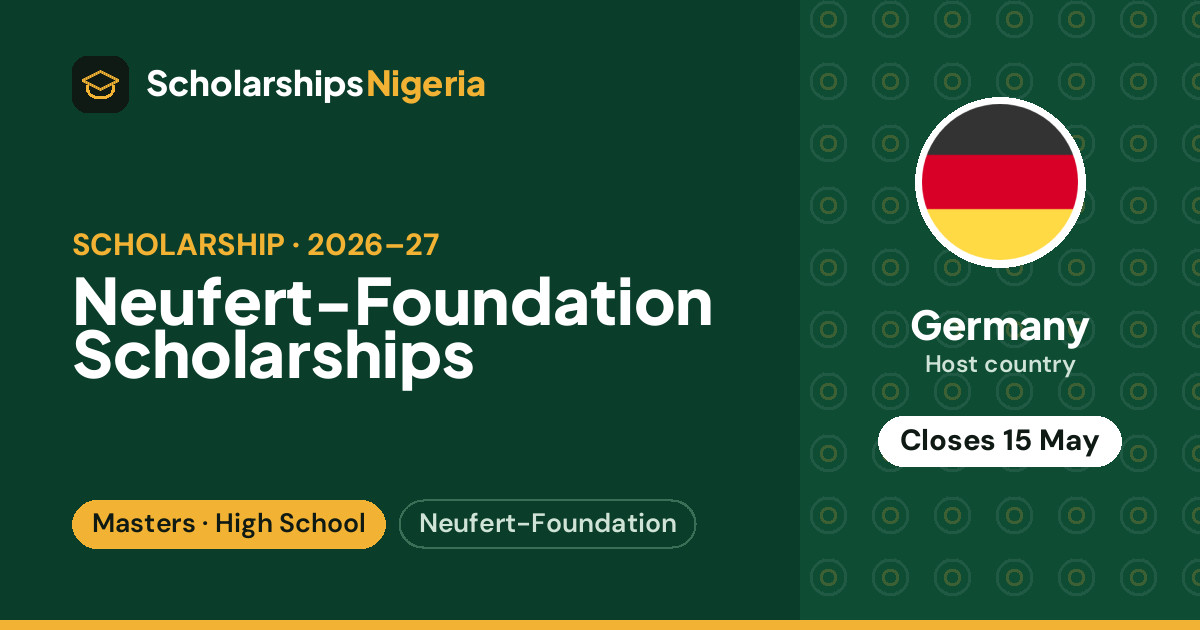
The awards closing soonest right now:
Where the subjects sit
The list leans towards certain fields. Business & Management has 13 awards, Arts & Humanities 12, Engineering 10, Medicine & Health Sciences 8 and Law 7. Economics & Finance and Social Sciences hold 6 each, Education 5, then Agriculture and Natural Sciences at 3 each. Computer Science & IT, Energy & Environment and Public Policy & Development hold 2 each.
If your field sits in the smaller groups, the list is thinner but not empty. Apply to what is there and widen your country range rather than narrowing it.
How long the funding runs
Where duration is stated, 8 awards run for 1 year, 3 for 2 years and 2 for 4 years. A one-year taught masters is the common shape of a funded masters, and it suits applicants who want to return to work quickly. If your programme is longer than the funding, the difference is yours to cover.
What to do next
Pick a shortlist of five to eight awards from the 95 rather than applying broadly. For each one, open the award page and confirm three things: whether it is fully or partially funded, whether it asks for an English test score or a minimum degree class, and whether it needs an admission offer before the scholarship application.
Then work backwards from the deadline. Transcripts and courier fees cost money, and Nigerian universities do not release them instantly, so request them once you have a shortlist rather than once you have a favourite. If an award you want is undated on this page, treat it as recurring and prepare for the next cycle instead of waiting for a date to appear.
The 65 fully funded awards are the sensible starting point. Read them first, shortlist from there, and only then look at the partially funded group to fill gaps in your subject or country list.