What this page lists
This page collects 17 scholarships in Business & Management that are open to Nigerian students. Every award here is either named for Nigeria or its region, or carries no nationality restriction at all. That distinction matters when you are shortlisting, because it tells you whether you are competing in a Nigeria-specific pool or an open international one.
Of the 17, 2 name Nigeria or the wider region in their eligibility text. The other 15 set no nationality restriction, so a Nigerian passport is not a barrier. No award on this list leaves eligibility unstated, which means you can read the terms and know where you stand before you spend money on a transcript or a courier.
What the awards pay for
Funding labels are not uniform. 12 of the 17 are listed as fully funded and 2 as partially funded. The remaining 3 do not state a funding level on the award itself, so treat those as unknown until you read the individual page.
Where awards spell out what they cover, the pattern is:
- Tuition: named by 6 awards
- Living costs: 5
- Travel: 3
- Health insurance: 2
- Research or training costs: 2
- Accommodation: 1
These are the benefits the awards state in their own text. They are not a promise that every fully funded award covers every line above. Read the specific page for the award you are applying to and check each item against your own budget, particularly accommodation and flights, which are the two costs Nigerian applicants most often carry themselves.
Which levels you can apply at
The list is not one level only. Counted by the levels each award accepts:
- Masters: 13 awards
- Bachelors: 11 awards
- PhD: 7 awards
Those figures overlap, because several awards accept more than one level. A B.Sc or HND holder with a strong class of degree sits in the largest group. If you are coming straight from WAEC or NECO, the Bachelors group is real and not a token entry. If you already hold a Masters and want to teach or research, the PhD group is smaller but present.
Where the awards are
The countries represented, with the number of awards in each:
- China: 4
- United Kingdom: 4
- United States: 3
- Australia: 2
- Canada: 1
- Netherlands: 1
- Singapore: 1
- Switzerland: 1
China and the United Kingdom together account for eight of the seventeen. The United States follows closely. The single-award countries are worth a look if you have a specific reason to be there, but they give you no fallback within that country.
What the applications ask for
The requirements stated across these awards, counted as written:
- Letters of recommendation: 6
- An English test score (IELTS or TOEFL): 5
- A minimum degree class: 2
- Work experience: 2
- An admission offer first: 2
- A research proposal: 1
The recommendation letters are the most common ask, and they are also the slowest item to secure. Approach your referees early, give them your CV and your statement, and follow up in person rather than by email alone. The English test requirement appears on five awards; if the award does not state one, do not assume a waiver applies, and if it does state one, budget for the test fee and a retake window.
Two awards require an admission offer before you can be considered for funding. Those run on a different clock from the rest, because the university's admission deadline comes first and the funding deadline sits behind it. Two others ask for work experience, which usually means a documented number of years rather than an internship.
How the deadlines fall
Eight awards carry a stated date and eight are currently still open. Nine are undated on this page, and eight recur annually, which means a missed cycle is not necessarily a closed door.
The busiest months are October and December, with two deadlines each, then April with one. The awards closing soonest are:
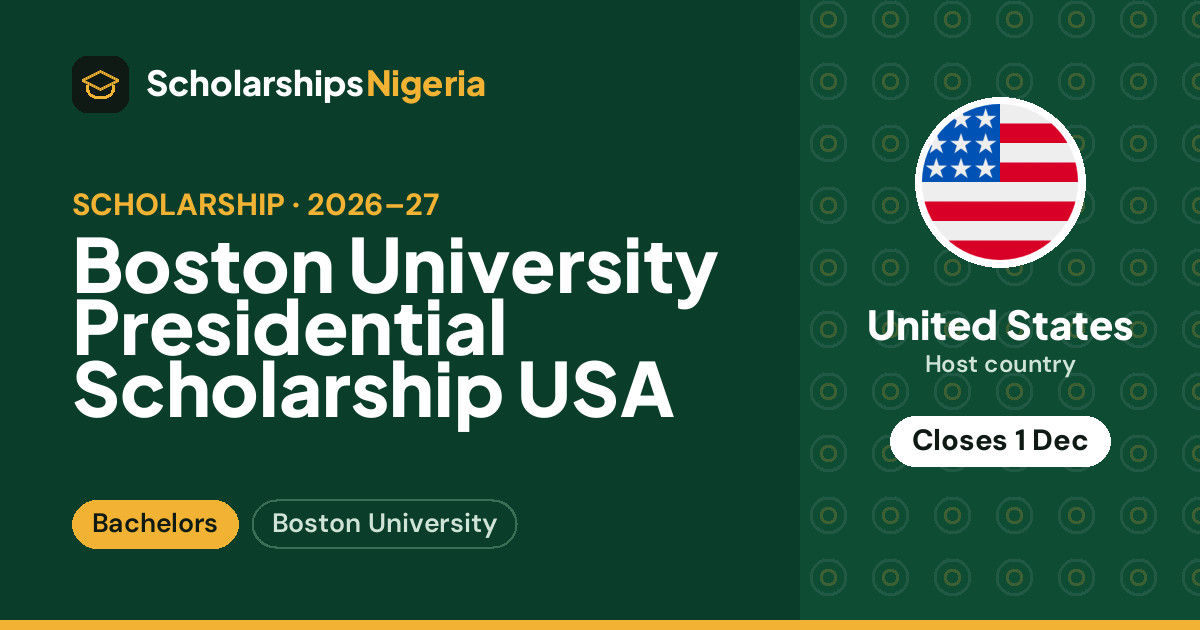
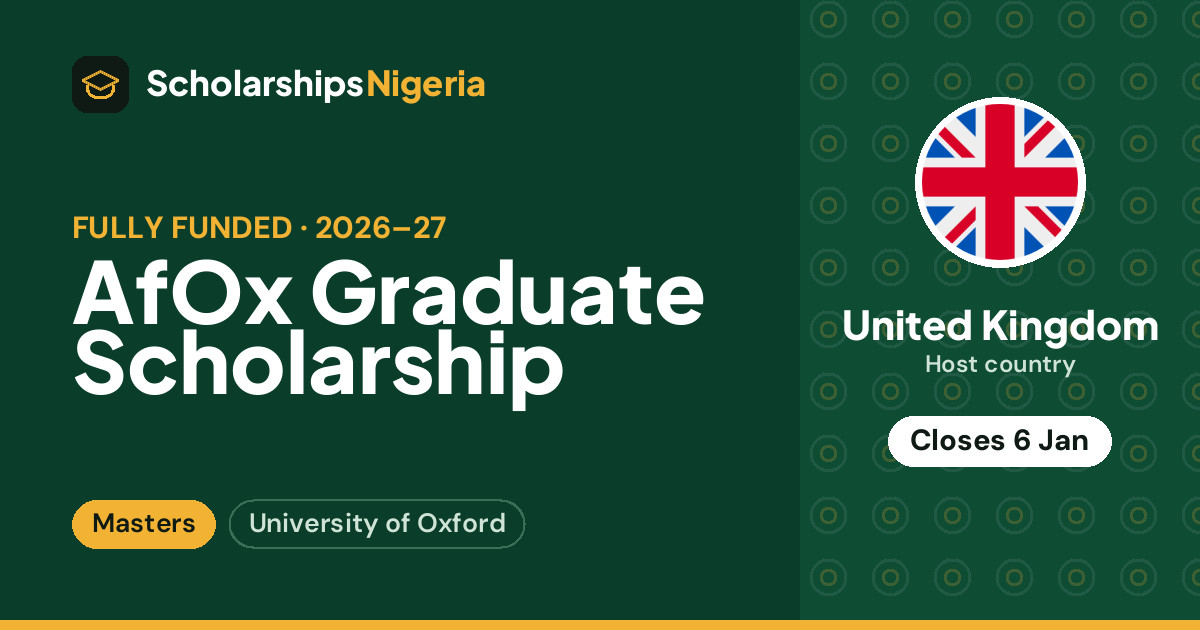
Two of these close on the same day, 1 December, and the AfOx deadline follows about five weeks later. If you are applying to both December awards, plan the documents once and adapt them, rather than starting a second file from scratch.
Named awards on this list
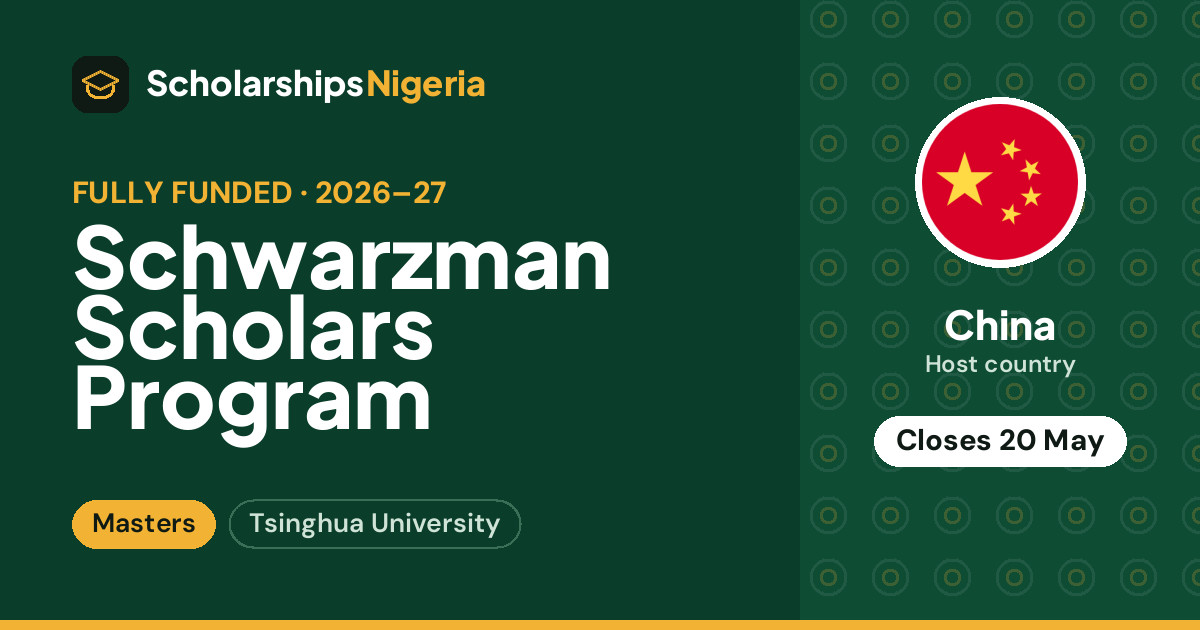
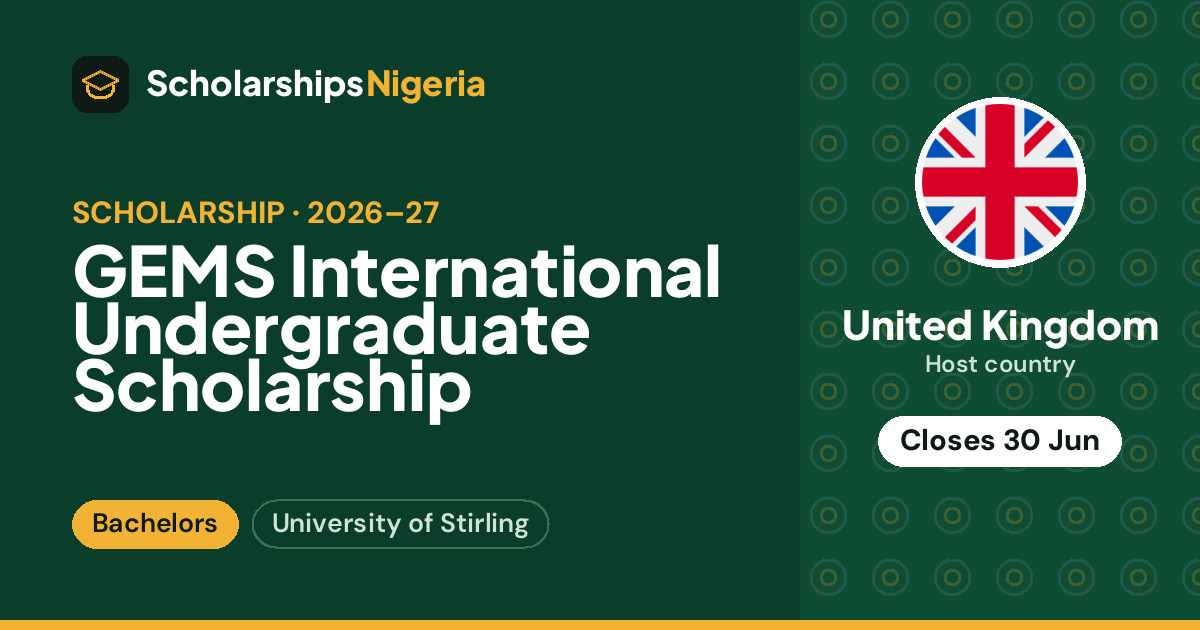
Among the entries you can look at directly:
Providers on the list include participating Australian institutions, the University of Tasmania, Stanford University, Shanghai universities, Beijing universities and IMD. Several entries are grouped by city or by a set of participating institutions rather than a single university, so check the underlying page for the specific institution you would attend.
What to do next
Start with the two December deadlines if you are applying this cycle, because they are close and they share documents. Then work backwards from the January and April dates.
Before you pay for anything, confirm three things on the award page: whether the funding level is stated, whether the level you are applying at is accepted, and whether an admission offer is required first. Two awards on this list require that offer, and those will reorder your whole timeline.
Order your transcript early. Request your recommendation letters before you write your statement, so your referees have something concrete to work from. If an English test is required, book it now rather than after you have drafted everything else, because the test date, not the essay, is usually what forces a missed deadline.
Finally, read the eligibility line on each page yourself. Fifteen awards here place no nationality restriction on Nigerian applicants, and two name Nigeria or the region directly. That is the whole list. Nothing on it requires you to guess.