What this page lists
This page collects 130 fully funded masters scholarships open to international students, gathered in one place so you can compare them without opening thirty different university pages. Every award here is tagged Fully Funded and Masters. Nothing on the list is partially funded, and nothing on it is a PhD-only award.
That matters because the funding label is the first thing that decides whether an offer is usable. A tuition waiver with no stipend still leaves you looking for rent in a city where you have no income. The awards on this page are the ones whose own text places them in the fully funded category.
Some of them also accept doctoral applicants. If you are weighing a research degree instead, the site carries a separate set of PhD scholarships, and there are bachelors awards for younger applicants.
Where the awards are
The list is not concentrated in one country. The United Kingdom leads with 19 awards, followed by China with 11, the United States with 9, Australia with 8, and Japan and Switzerland with 7 each. Belgium and Italy each carry 6, as do Russia and the United Arab Emirates. Brazil, Canada, Saudi Arabia and Thailand each have 4, while France, Germany, the Netherlands, New Zealand and Turkey each have 3. Denmark, Norway, Qatar, Singapore and Sweden have 2 apiece, and Hungary, Ireland, Romania and Spain have 1 each.
Read that spread carefully. A fully funded masters in Germany or Norway is not automatically cheaper to reach than one in the UK, and a Japanese or Chinese award may come with language conditions that a UK award does not. Country counts tell you where the money sits, not where your application is strongest.
What the awards pay for
Fully funded does not mean the same thing everywhere. These are the benefits the awards name in their own text:
- Tuition — 92 awards
- Living costs — 76 awards
- Travel — 44 awards
- Accommodation — 41 awards
- Health insurance — 36 awards
- Research or training costs — 24 awards
- A settling-in or arrival grant — 3 awards
The gap between tuition and living costs is the one to watch. Tuition is covered almost everywhere on this page; living costs are covered in 76 of the 130. If an award you like sits outside those 76, you need a plan for feeding yourself and paying rent before you accept it. The settling-in grant is rare, so budget separately for the first month: flights, bedding, transport cards, and the small things nobody lists.
Can a Nigerian applicant apply?
For 65 of the 130 awards, Nigerian applicants can apply. That figure splits two ways. 5 of those 65 name Nigeria or the region in their eligibility text. The other 60 place no nationality restriction at all, which means your Nigerian passport is not a barrier. For the remaining 65, eligibility is not stated on the award itself, so you would have to confirm directly with the provider before spending money on a transcript or courier.
Your entry qualification is a first degree or HND — B.Sc, B.A, B.Eng, LLB, MBBS or HND. This page covers both taught and research masters. Where an award states a minimum class of degree, “upper second” corresponds to Second Class Upper (2:1) on a Nigerian transcript. Whether an HND is accepted is decided by each university, not by us, so check the individual award page before you apply.
What the applications demand
Requirements are stated on the awards themselves, and they vary. Across the 130:
- Letters of recommendation — 67 awards
- An English test score (IELTS or TOEFL) — 56 awards
- A minimum degree class — 29 awards
- A research proposal — 23 awards
- An admission offer first — 12 awards
- Work experience — 9 awards
- A commitment to return home afterwards — 1 award
Two of these deserve attention. Recommendation letters are the most common single requirement, and they are also the slowest thing to obtain in Nigeria — a lecturer who has moved departments, a former employer who needs reminding. Start those requests early and give your referees the award details in writing. The English test is required by 56 awards, which means a good number of them do not ask for it. If you studied your degree in English, read the individual page before paying for IELTS; some providers waive it, some do not.
The 12 awards that require an admission offer first are a different kind of application. You are applying to the university before you apply for the money, and the two timelines have to line up.
How the deadlines fall
45 awards carry a stated date. Of those, 44 are still open and 44 recur, meaning the same award returns on a similar cycle each year. The busiest months are January with 7 deadlines, then October and May with 6 each.
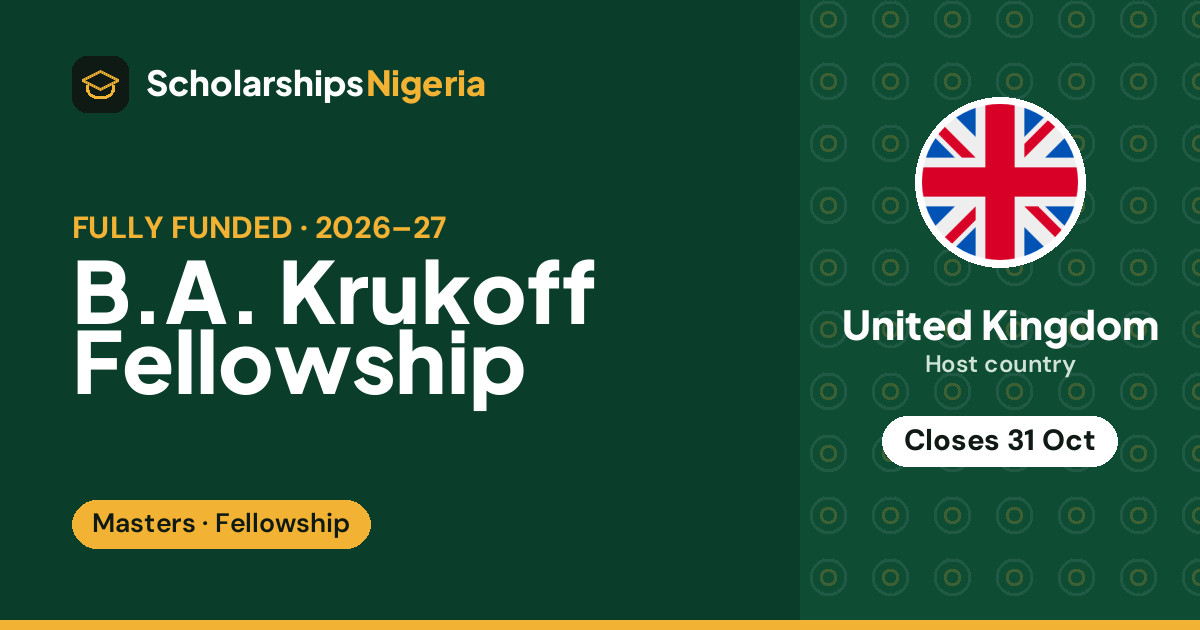
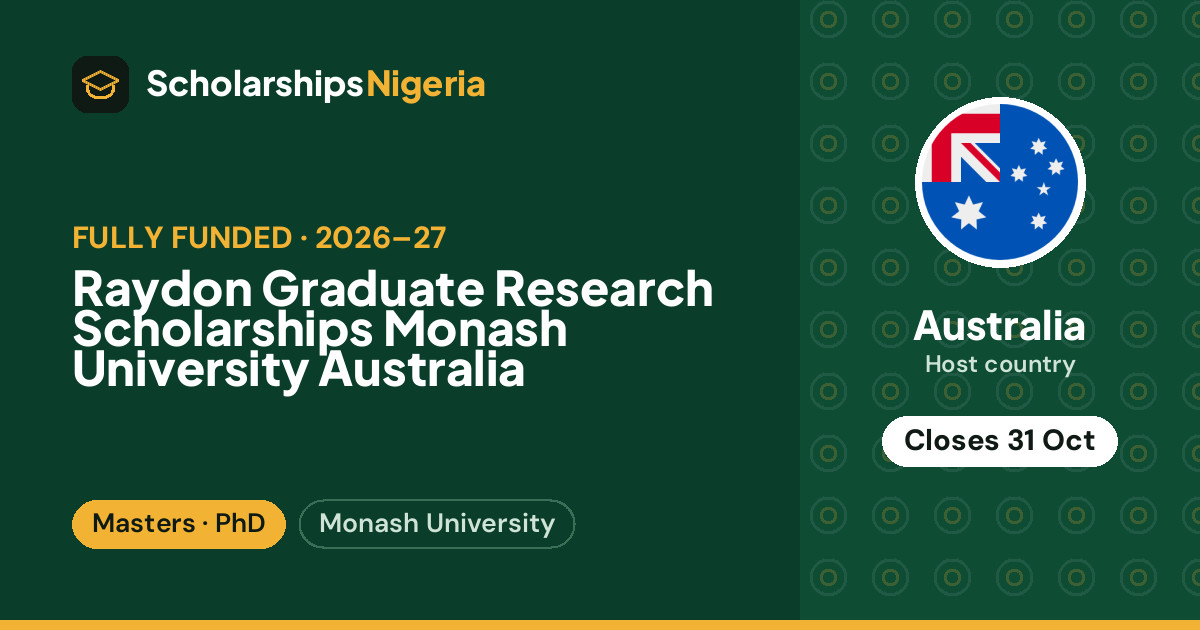
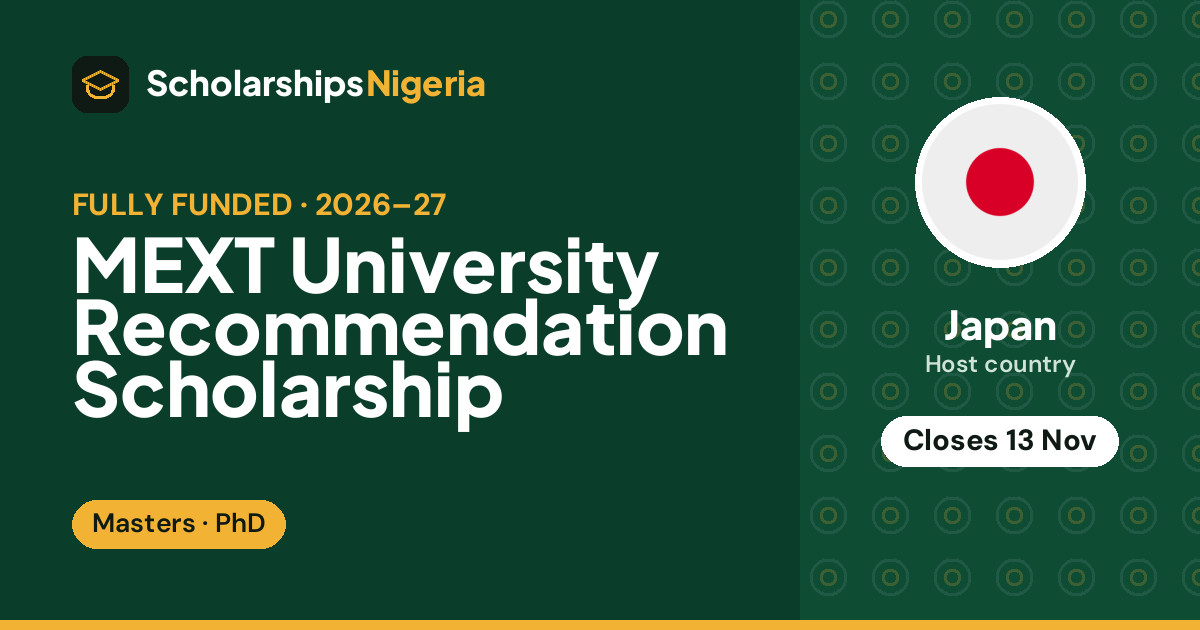
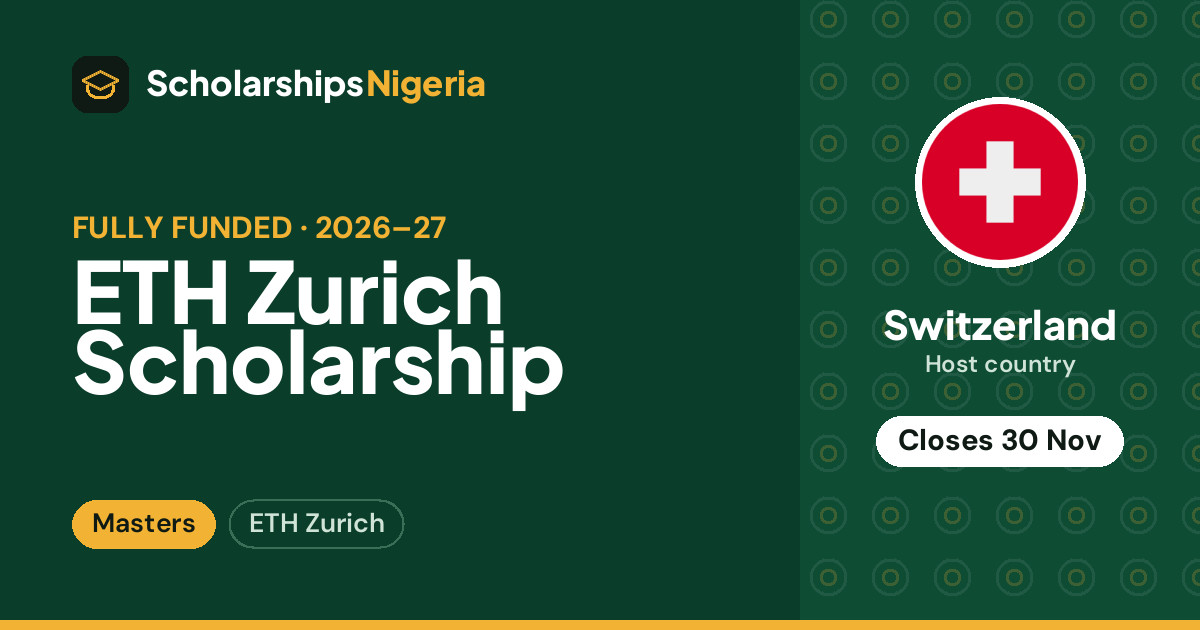
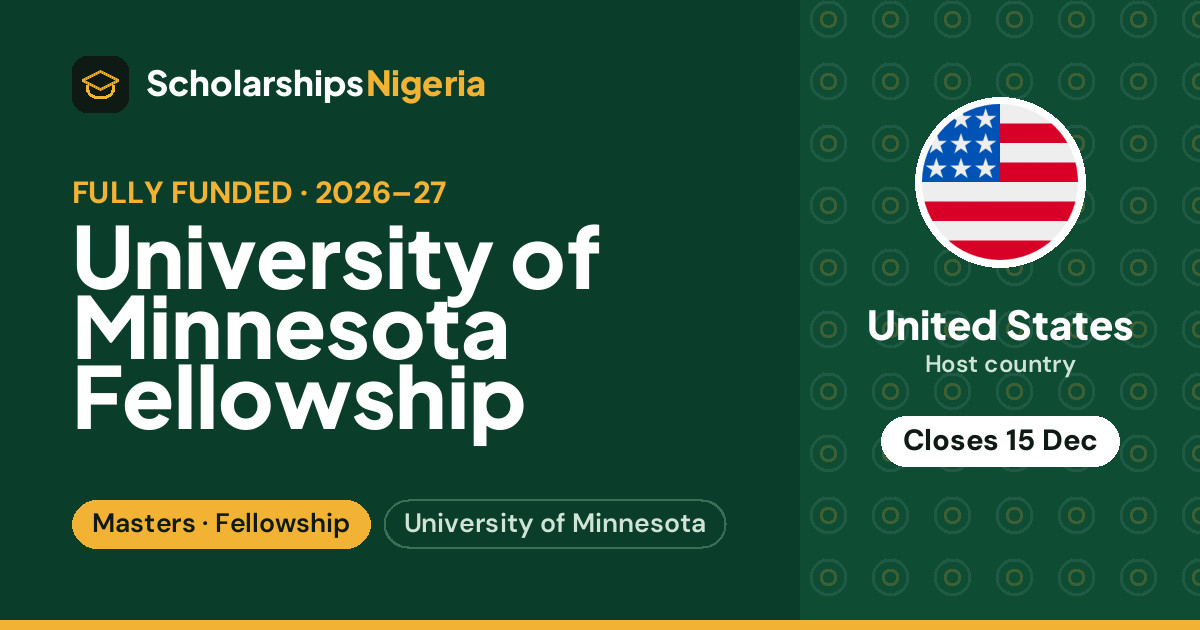
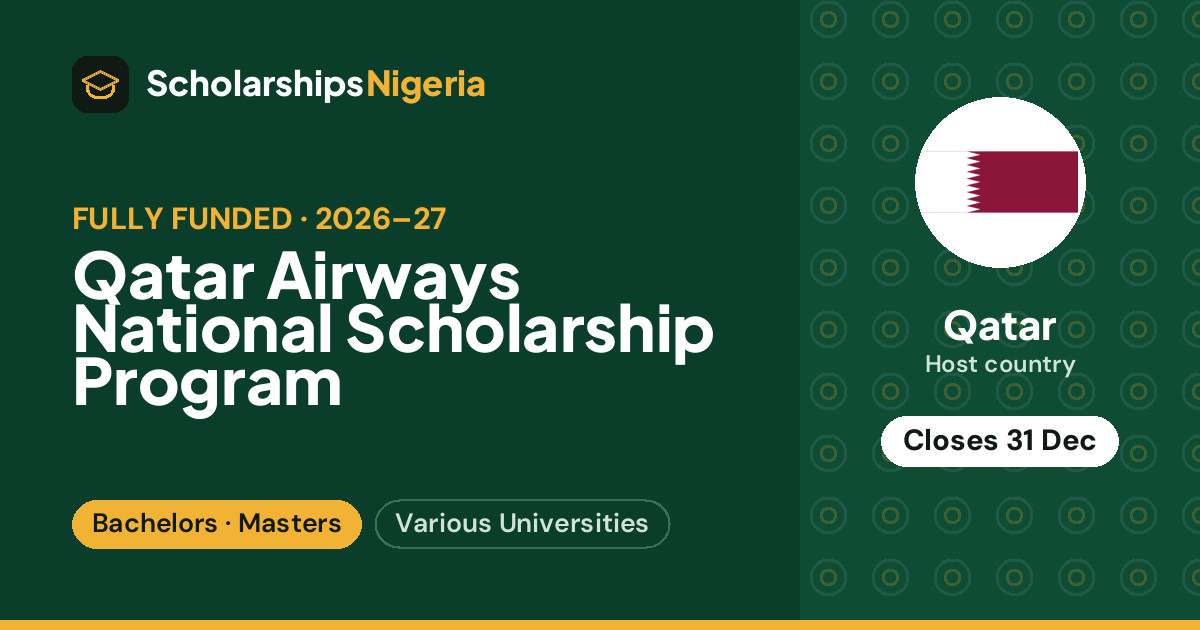
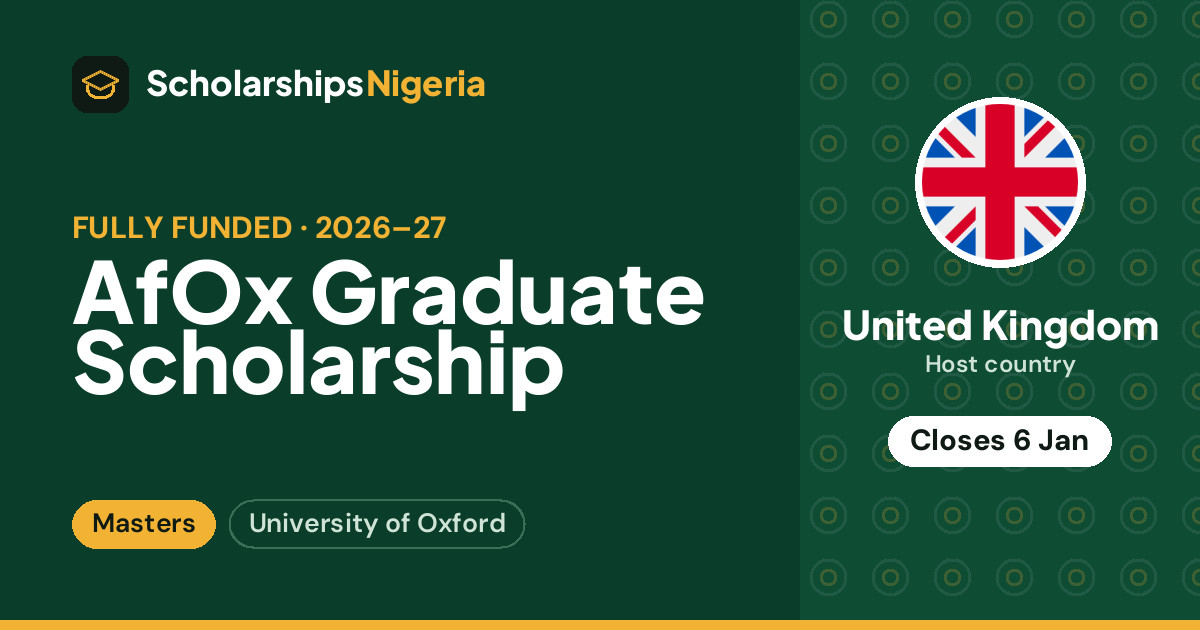
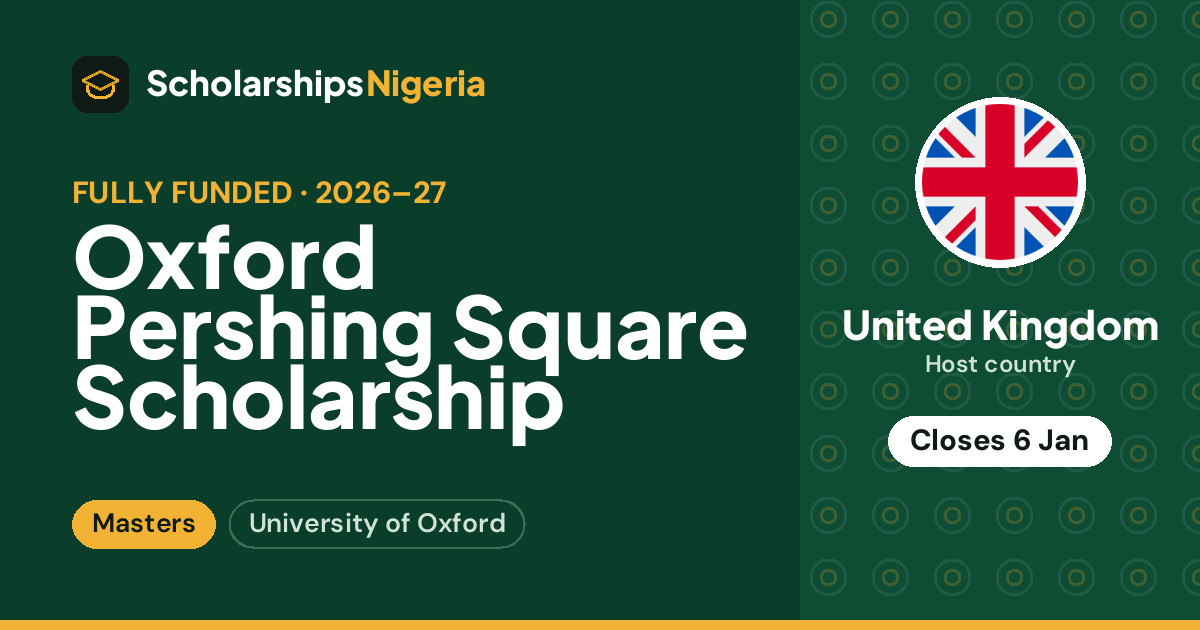
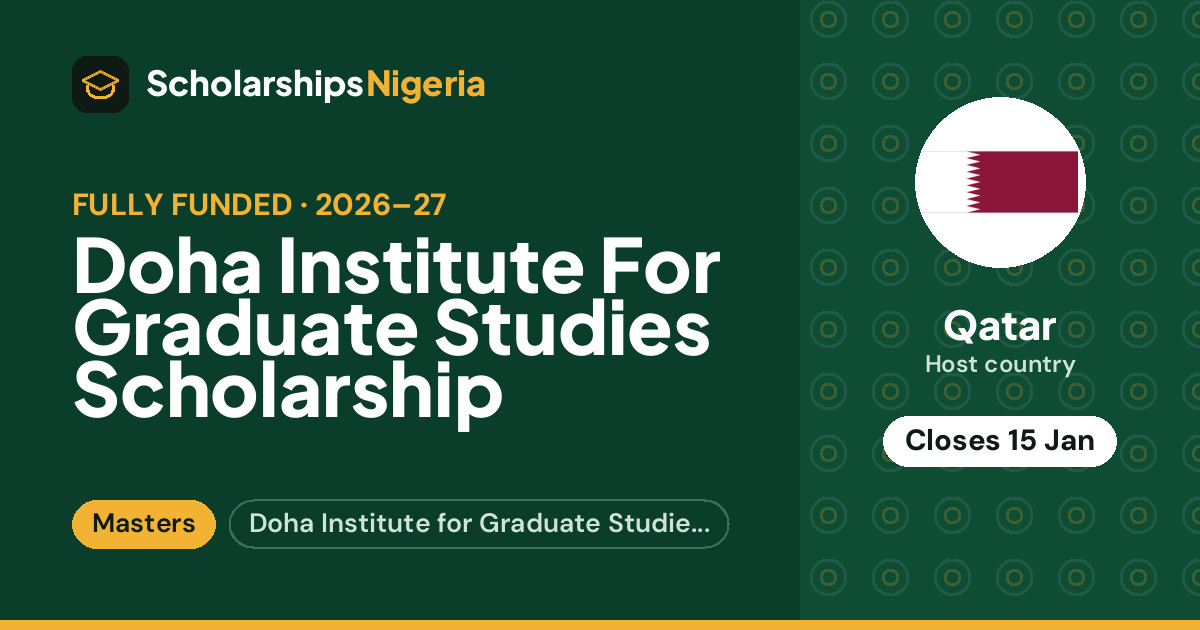
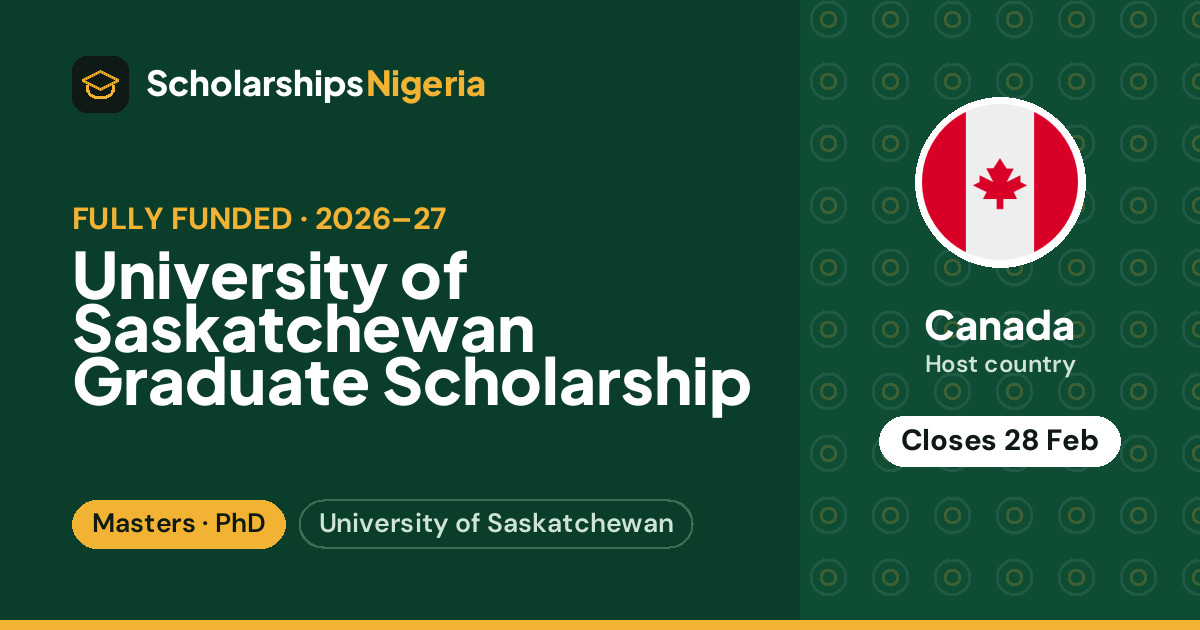
Five awards close soonest:
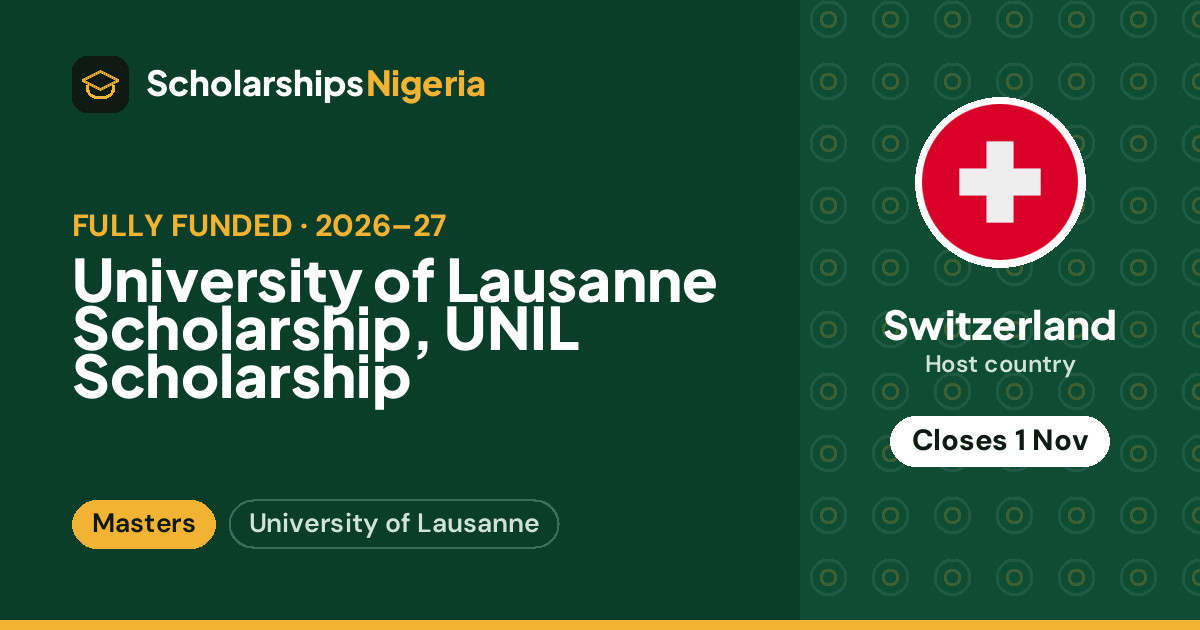
One more sits just behind them: the University of Lausanne Scholarship 2027 in Switzerland, closing 1 November.
Who is offering them
The University of Oxford appears 5 times, Monash University 3 times, the University of Cambridge twice, and two awards come from UK universities listed together. Two more are offered across various universities. That pattern is worth noticing: a single strong university may run several separate schemes with different eligibility rules and different closing dates. If Oxford or Monash suits your field, read every award they list rather than stopping at the first one.
Most of these are university awards, not government scholarships. That changes what the selection committee weighs — your academic fit and your proposed area of study usually carry more than nationality or development impact.
What to do next
Start with the eligibility line on each award page. Filter out anything that names a nationality you do not hold, then check the degree class requirement against your transcript wording. Second Class Upper is the common threshold; if you hold a 2:2, look for the awards that state no minimum class at all.
Then work backwards from the deadline. Recommendation letters take the longest, so request them first. English tests take weeks to sit and score, so book early if the award requires one. Transcripts and courier fees cost real money, so only send documents to awards where you clearly qualify.
If nothing on this page fits your profile, widen the search rather than forcing an application. The site lists all fully funded scholarships across every study level, and the masters scholarships section covers awards that are not fully funded but may still work with other funding.