What this page lists
This page collects 25 fully funded scholarships in the United Kingdom that are open to Nigerian students. Every award here carries the fully funded label, so you are not sorting through partial tuition discounts or fee waivers to find the ones that matter. The list is built for the student who needs the whole bill covered, not half of it.
The United Kingdom is the single most popular destination for Nigerian students abroad, and the numbers back that up. The UNESCO Institute for Statistics recorded 71,756 Nigerian students in the UK in 2023, the highest of any country. That figure is worth keeping in mind as you read. You are not applying into an empty field, and the awards on this page are competitive for exactly that reason.
What level are these awards for?
The list skews heavily towards postgraduate study. Of the 25 awards:
- Masters — 19
- PhD — 10
- Bachelors — 3
- Fellowship — 1
Some awards sit at more than one level, which is why the counts add up to more than 25. If you hold a B.Sc or HND and are looking at a taught Masters, you are in the largest group here. If you are finishing an M.Sc and want a funded PhD, there are 10 options. Undergraduate funding is the thinnest part of the list, with 3 awards, so a student coming straight from WAEC or NECO should read each entry carefully before assuming it fits.
Who is providing them
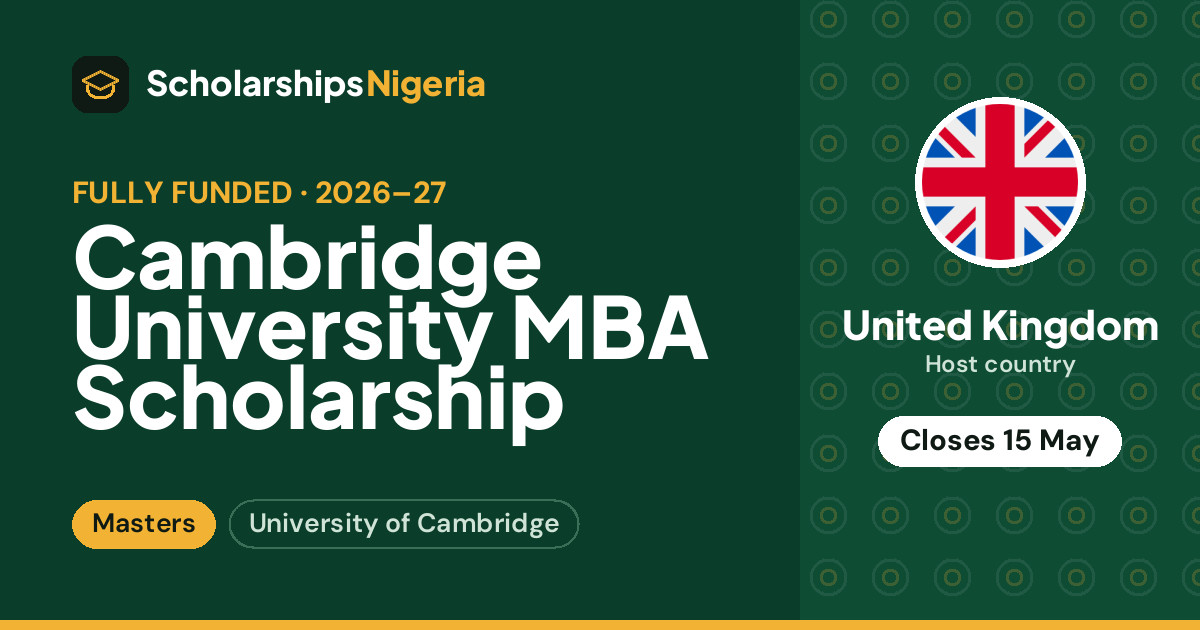
The providers are concentrated among a small number of institutions. University of Oxford accounts for 5 awards, University of Cambridge for 2, and Queen Mary University of London for 2. The remaining entries sit with other UK universities, and a few listings point to a list of institutions rather than one named provider.
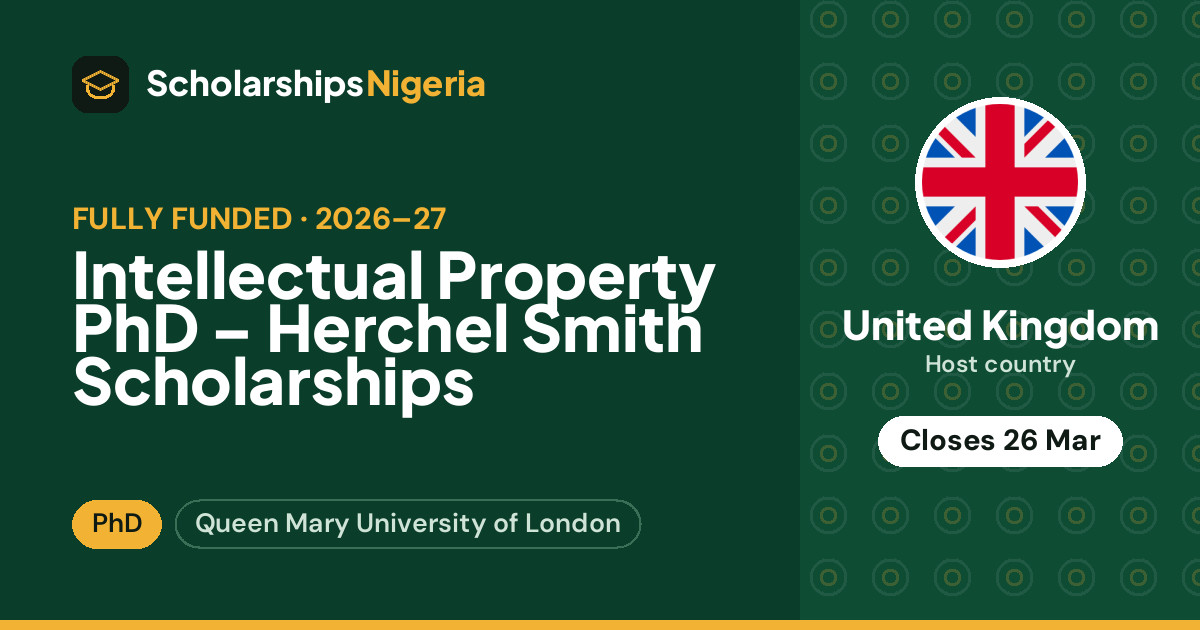
That concentration matters practically. Oxford and Cambridge awards tend to run through a central graduate admissions process, which means one application can put you in front of several funding streams. The Queen Mary awards include a fellowship and a PhD in intellectual property, both of which are department-led and may be assessed by a smaller panel.
Can a Nigerian applicant apply?
This is the question most applicants get wrong, so read it slowly. Of the 25 awards, 10 state clearly that Nigerians may apply. Of those 10, 2 name Nigeria or the region in their eligibility text, and 8 carry no nationality restriction at all. The remaining 15 do not state their eligibility on the award page.
That last group is not a rejection. It means the award page does not spell out nationality rules, and you will need to open the full entry and check the provider's own terms before you spend money on transcripts or a courier. Do not assume an award is closed to you because the summary is silent, and do not assume it is open either. Check.
What the awards actually pay for
Fully funded does not mean the same thing across all 25 entries. These are the benefits the awards name in their own text:
- Tuition — 21
- Living costs — 15
- Travel — 8
- Accommodation — 5
- Research or training costs — 4
- A settling-in or arrival grant — 2
Tuition is close to universal here, but living costs appear in only 15 of the 25. That gap is where Nigerian applicants get caught. A tuition-only award still leaves you to fund rent, food, and the visa-linked maintenance requirement out of pocket, and in the UK those costs are not small. Before you apply, confirm whether the award you are targeting covers living costs or only fees. Travel and accommodation are rarer still, so treat them as extras rather than expectations.
What the applications demand
The requirements the awards state in writing break down like this:
- Letters of recommendation — 8
- A minimum degree class — 5
- A research proposal — 5
- An English test score (IELTS or TOEFL) — 4
- Work experience — 4
- An admission offer first — 4
Letters of recommendation are the most common ask, and they are also the slowest thing to arrange from Nigeria. Give your referees weeks, not days, and brief them on what the award is looking for. Where a minimum degree class is stated, check the exact wording against your transcript before you apply; a 2:1 in Nigerian terms is not always read the same way by every admissions office.
Only 4 awards name an English test score, which means several providers either waive it or do not state it. Do not take that as a waiver. If your degree was taught in English, ask the provider directly whether they will accept it in place of IELTS or TOEFL. The 4 awards that require an admission offer first mean you must apply to the university before the funding deadline, so your timeline starts earlier than the scholarship date suggests.
How the deadlines fall
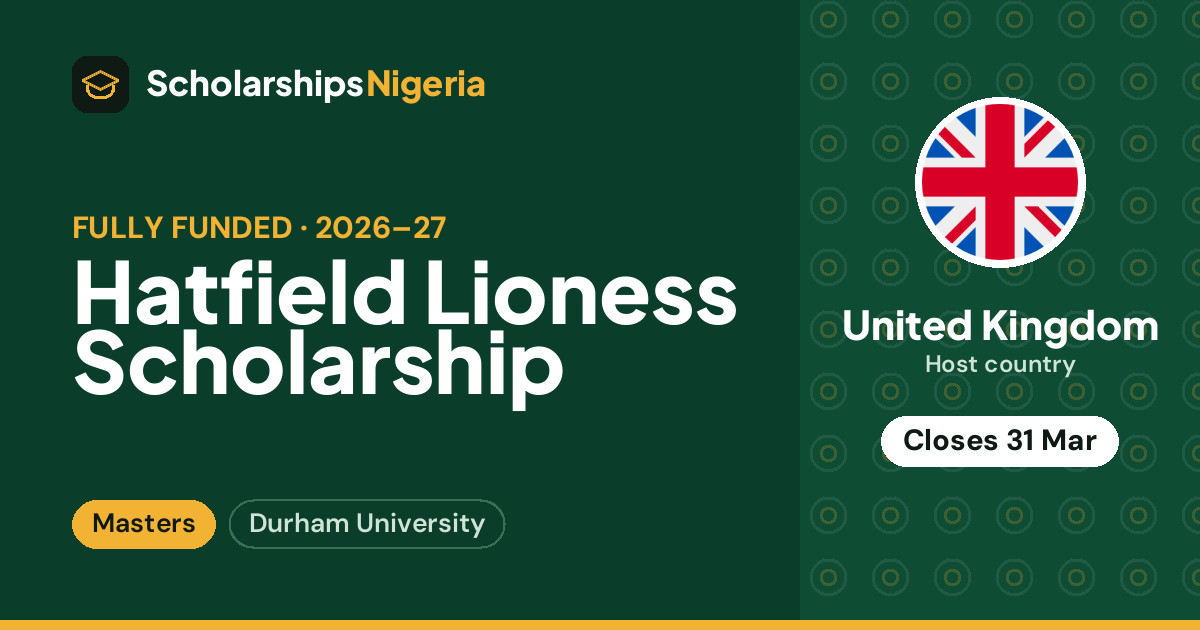
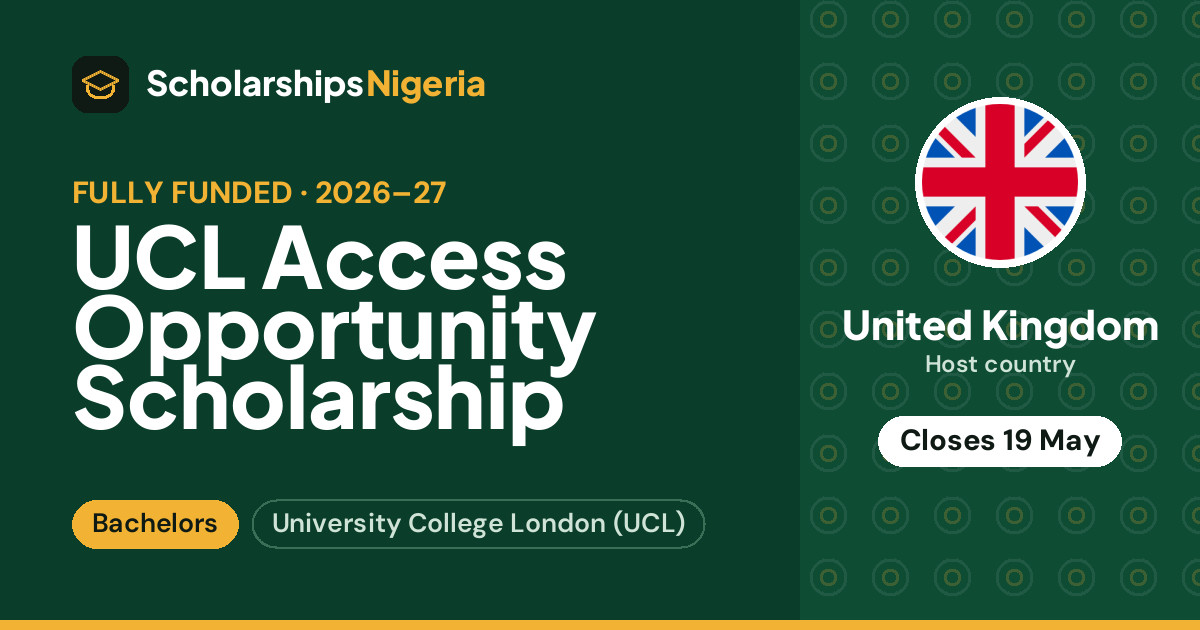
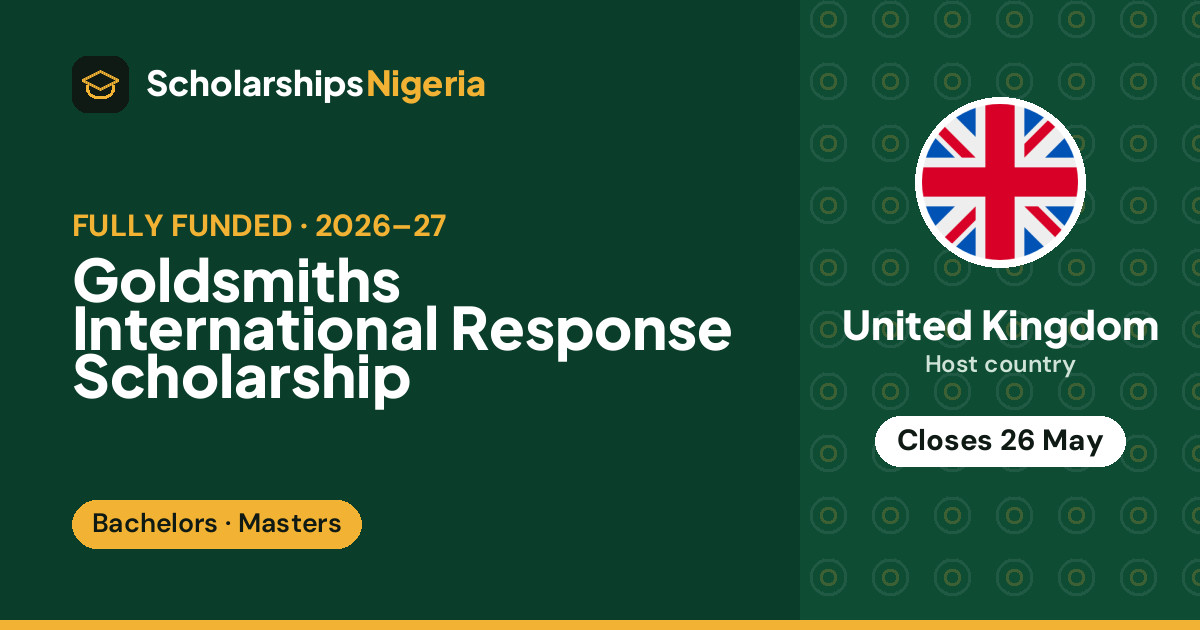
Of the 25 awards, 10 carry a specific date, 9 are still open, and 15 are undated. 9 recur annually, which means a missed cycle is not the end of the road. The busiest months are May (3), January (2), and March (2).
Here are the awards closing soonest, in order:
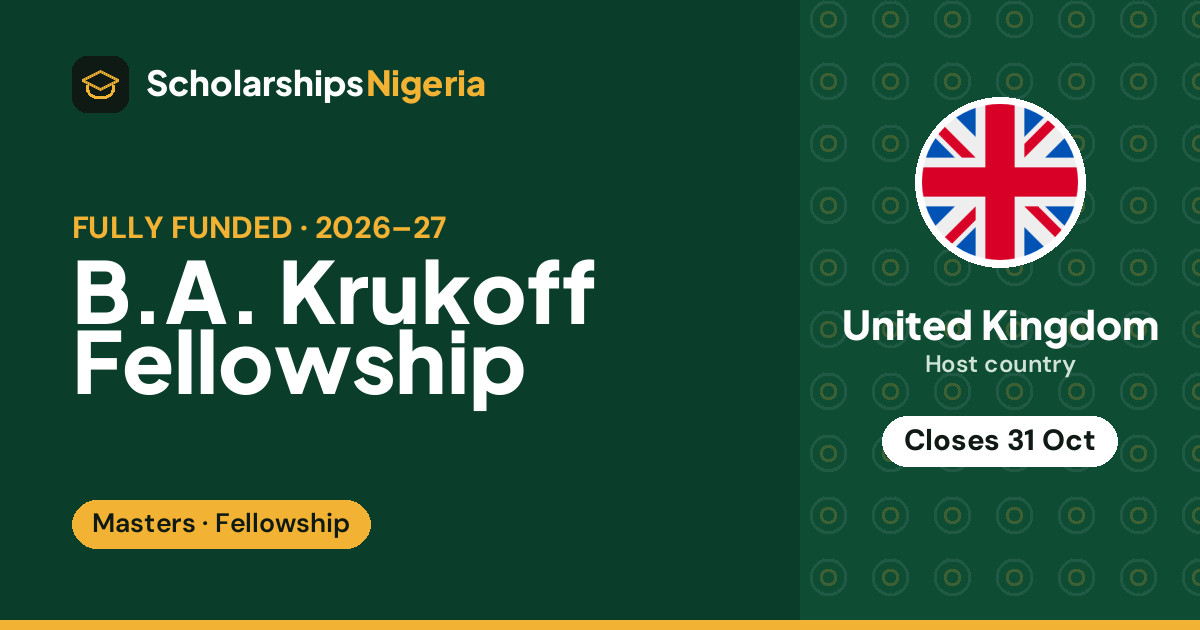
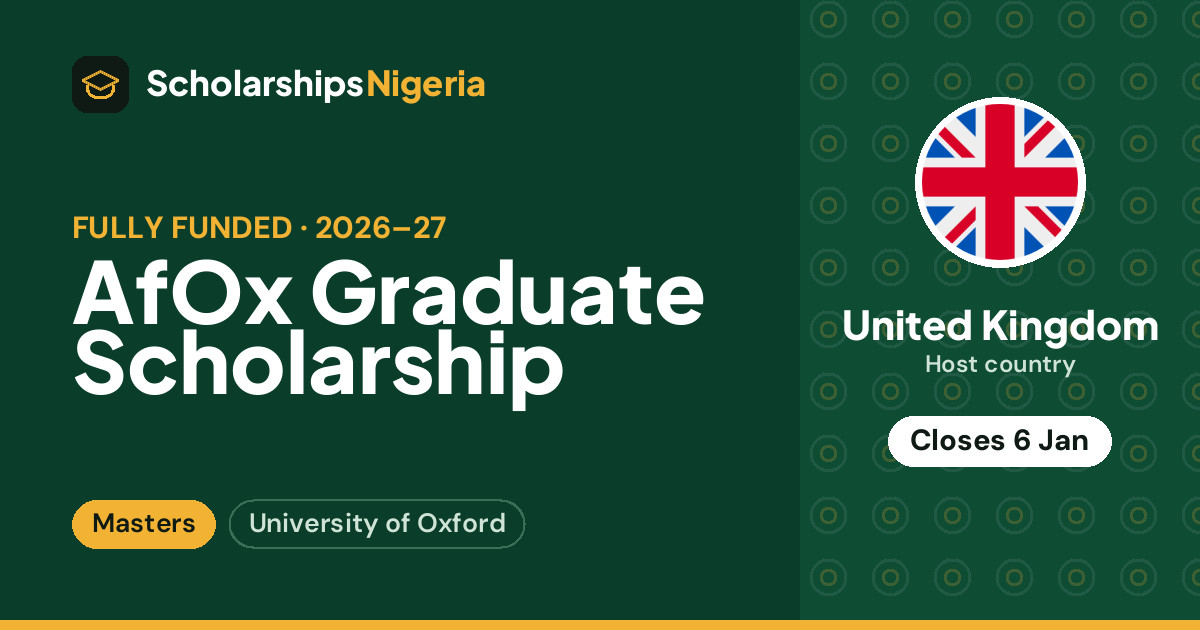
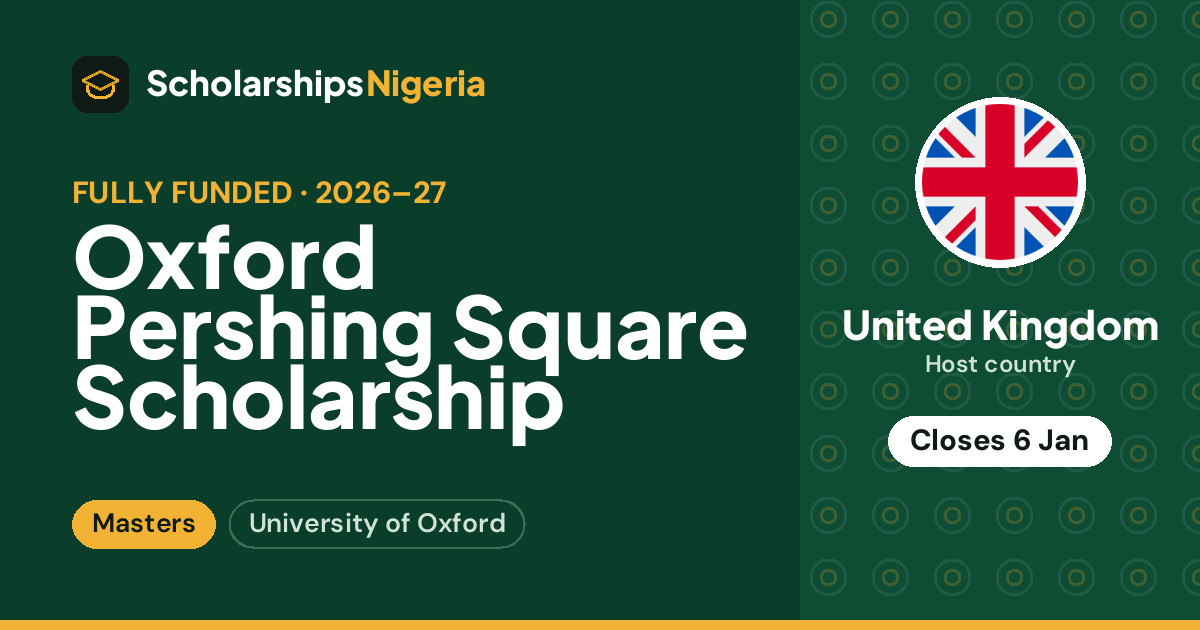
Two Oxford awards close on the same day, 6 January, so a single well-prepared application pack can serve both. The B.A. Krukoff Fellowship closes first, on 31 October, which leaves the least room to move.
What to do next
Start with the deadline, not the prestige. Pick the two or three awards whose closing dates you can realistically meet, then work backwards. If a research proposal is required, that is the longest single item to write. If an admission offer is required first, your university application must go in before the funding deadline, which can push your start date forward by months.
Order your transcripts and confirm your referee list early. Courier delays from Nigeria are real, and a document that arrives after the deadline is the same as a document that never arrived. Where an award does not state its eligibility, contact the provider before you commit money to the application.
Finally, use the level filters. With 19 Masters awards and 10 PhD awards on this page, there is no reason to apply for a level you do not hold. Read each entry in full, check the funding line, and apply to the ones that fit what you actually have.