What this page lists
This page collects 133 scholarships open to Nigerian students. Every entry has been checked against its own eligibility wording: 9 of the 133 name Nigeria or the West African region directly, and the other 124 place no nationality restriction on who may apply. In other words, the remaining 124 are open on the same terms to a graduate in Lagos, Kano or Port Harcourt as to anyone else in the world.
That distinction matters when you are shortlisting. An award that names Nigeria is often built around a development or regional partnership, so it may expect you to work in a particular sector or return home at the end. An award with no nationality restriction is usually a straight academic competition, judged on your grades, your proposal and your referees. Read the eligibility line on each award page before you spend money on a courier.
Funding: what the awards actually pay for
Of the 133 awards, 91 are labelled fully funded and 17 are partially funded. The rest do not state a funding label, so treat those as unknown until you read the award's own page.
Where awards spell out their benefits, the pattern is consistent:
- Tuition: named by 67 awards
- Living costs or stipend: 48
- Travel: 36
- Accommodation: 29
- Health insurance: 27
- Research or training costs: 15
- A settling-in or arrival grant: 2
"Fully funded" does not mean the same thing everywhere. A tuition-only award still leaves you to find rent, feeding and a flight. When you compare two offers, compare the benefit lines, not the label. If an award does not name a benefit in its own text, this page does not claim it for that award.
Study levels
Masters is the largest group on the page, with 95 awards. Doctoral funding follows at 63, and undergraduate awards at 61. There are also 16 fellowships, 9 postdoctoral positions, 5 high school places and 5 short courses. The same award can appear under more than one level, so the numbers add up to more than 133.
For a Nigerian reader this maps onto familiar routes. A B.Sc or HND holder with a strong class of degree is looking mainly at the Masters group. An M.Sc graduate with a supervisor already in mind is looking at the PhD group. WAEC and NECO candidates, and those who have just finished secondary school, are looking at the undergraduate and high school entries, though those are the smallest groups here.
Where the awards are
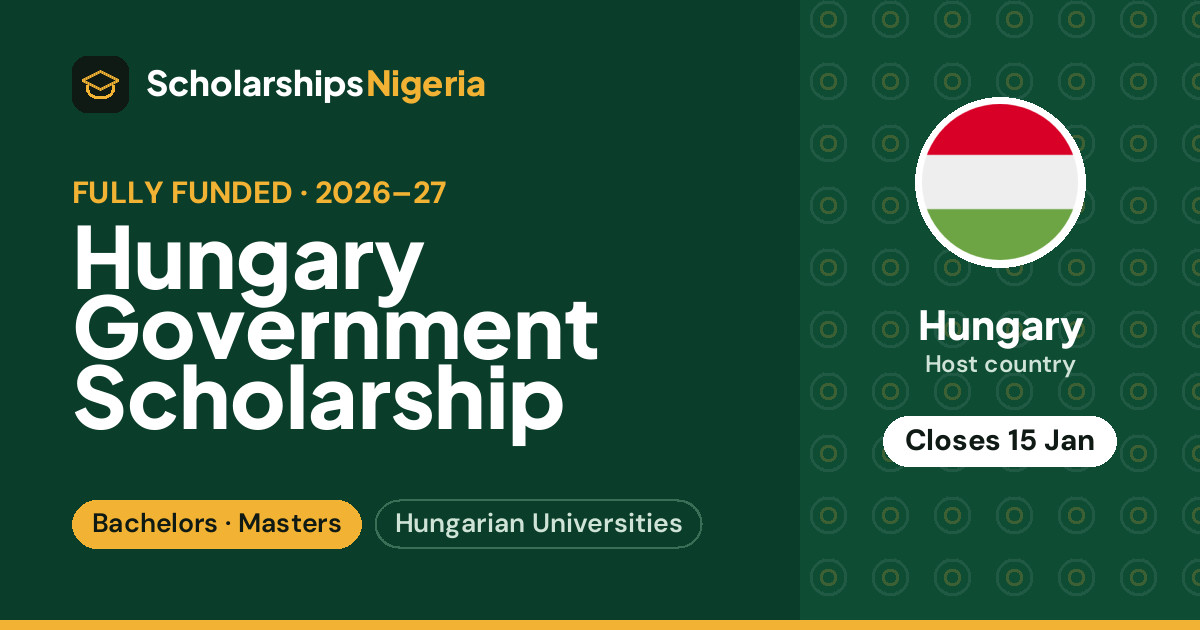
The largest destinations are the United States (21), the United Kingdom (20), Australia (14), Canada (10) and China (9). Germany has 7, Switzerland 6, and Sweden and Thailand 5 each. Saudi Arabia, Singapore and Turkey have 4 each. Italy, New Zealand and the United Arab Emirates have 3 each. Austria, Denmark, France, Japan and the Netherlands have 2 each, and Belgium, Hungary, Ireland, Qatar and Spain have 1 each.
Spread across 25 countries, the list is wider than the usual UK-and-US shortlist. Tuition-free and low-tuition systems in continental Europe and Asia are worth reading properly, especially where an award covers living costs as well as fees.
Fields of study
Arts and humanities leads with 19 awards, followed by business and management at 17, engineering at 15, medicine and health sciences at 13, and social sciences at 11. Natural sciences has 9, law 8, and economics and finance and education 6 each. Agriculture has 3, computer science and IT 3, and energy and environment and public policy and development 2 each.
If your field sits in one of the smaller groups, the count is small but the competition is also narrower. A well-written research proposal in a less crowded field can carry more weight than a generic application in a crowded one.
What the applications ask for
The requirements that appear most often in the award text are:
- Letters of recommendation: 54 awards
- An English test score (IELTS or TOEFL): 44
- A minimum degree class: 25
- A research proposal: 16
- Work experience: 13
- An admission offer first: 11
- A commitment to return home afterwards: 1
Two of these cause the most delay for Nigerian applicants. First, references. Ask your lecturers early, give them your CV, your transcript and a draft of your statement, and follow up in person rather than by email alone. Second, transcripts. Many Nigerian universities take weeks to produce an official transcript, and some insist on sending it directly to the destination university. Start that process the moment you decide to apply, not after you have been shortlisted.
On English tests, 44 awards state a score requirement. Some universities waive the test if your previous degree was taught in English, but that waiver is granted by the institution, not by this page, so confirm it in writing before you pay for a test date. The 25 awards that name a minimum degree class are the ones to check against your own result sheet first; if you fall below the stated class, no referee letter will fix it.
The 11 awards that require an admission offer first run on a different clock. You must apply to the university, wait for the offer, then apply for the funding. Budget several months for that sequence.
Deadlines
Forty-four awards carry a stated date, and 42 of those are recurring, meaning the same window opens again each cycle. Eighty-nine have no date on the page at all, so you will need to check the award's own page for the current cycle. May is the busiest month with 9 deadlines, then October with 7 and November with 6.
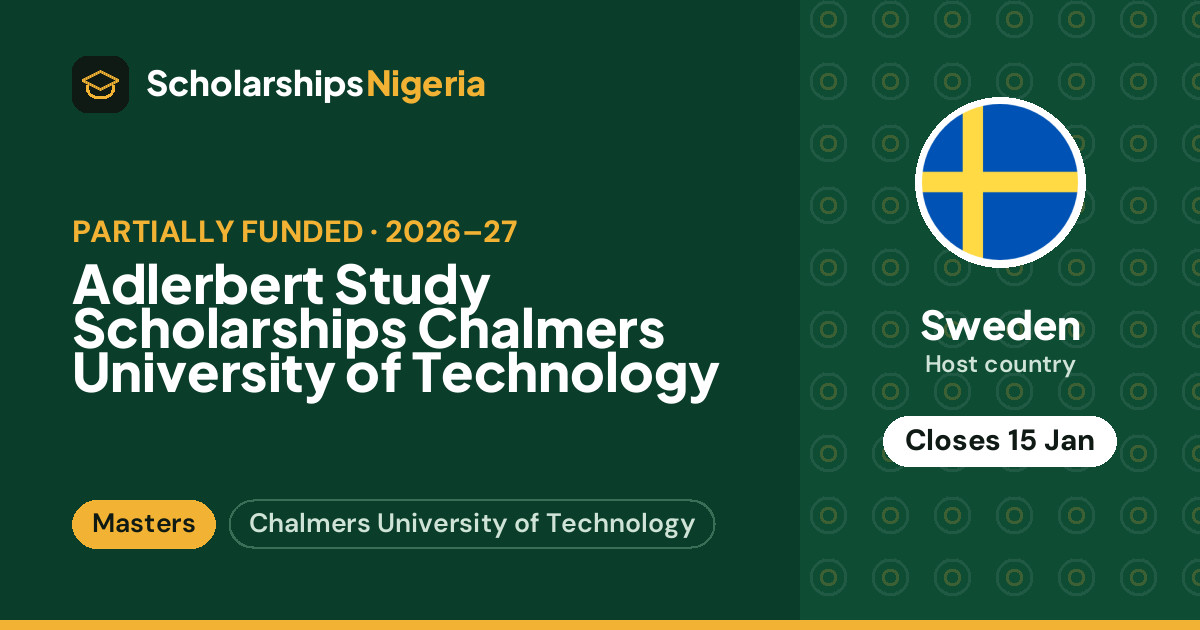
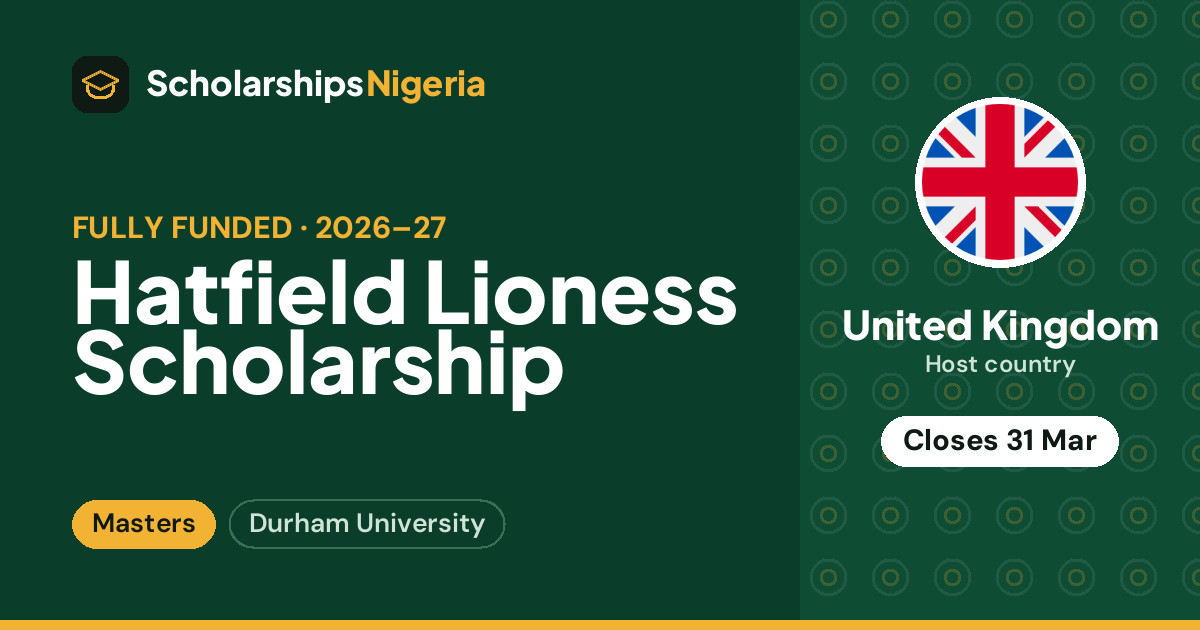
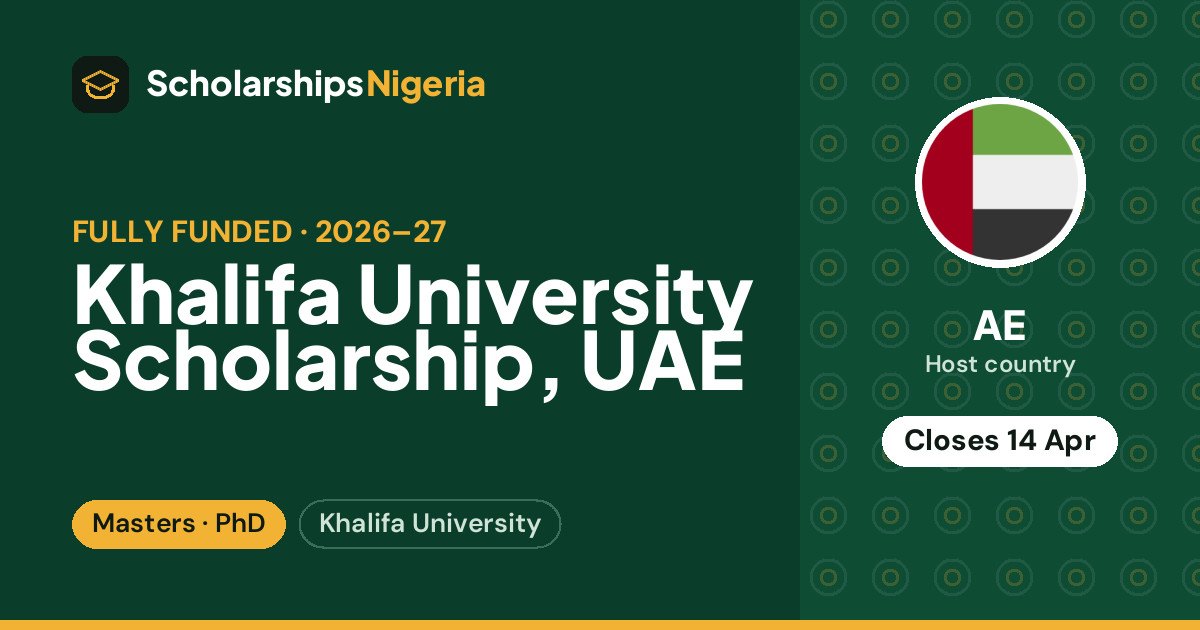
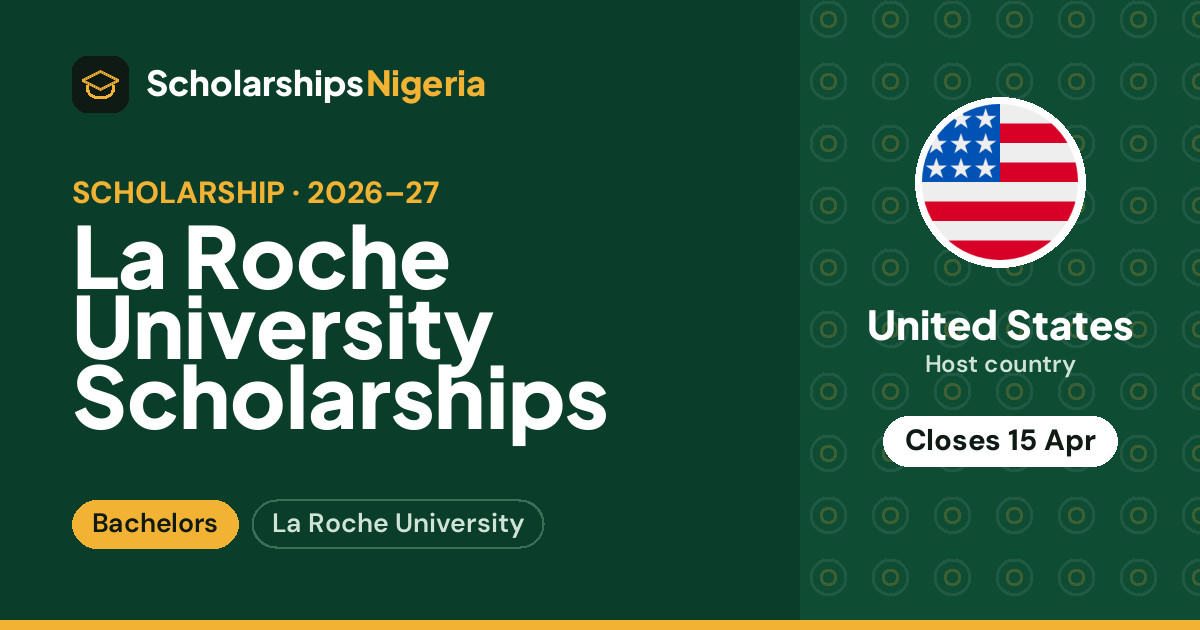
The awards closing soonest are listed below. Each links to its own page.
Where an award is recurring, the date you see is the one for the current cycle. Diarise it a year ahead so you are not writing a research proposal in the week the portal closes.
Who provides them
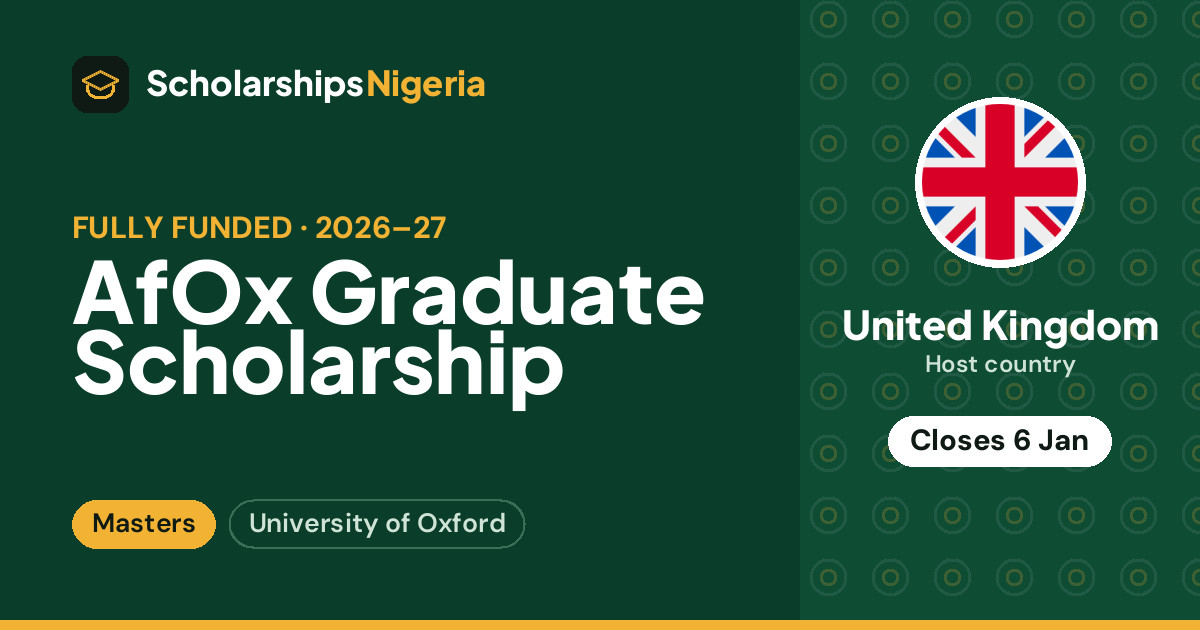
The providers named on this page include the University of Oxford with 3 awards, Deakin University with 2, and one each from participating Australian institutions, a Canadian institution with a quota to host Vanier scholars, Queensland University and the Australian National University. The rest come from governments, foundations and individual universities across the 25 countries listed above.
What to do next
Start with the level you actually qualify for now, not the level you hope to reach later. Filter to that group, then read the eligibility line on each award before anything else. An award that names a minimum degree class or a specific nationality is not worth your application fee if you do not meet it.
Then work backwards from the deadline. If an award needs a research proposal, give yourself at least a month. If it needs an admission offer first, give yourself a full cycle. If it needs a transcript sent directly from your university, confirm the process with your faculty office this week.
Finally, apply to more than one. With 91 awards labelled fully funded and 42 recurring deadlines, there is no reason to pin everything on a single application. Shortlist five or six that fit your level, your field and your documents, and give each one a properly tailored statement rather than the same page sent six times.